Chiropractic Tips, Pain Relief & Wellness in Pleasant Grove
Explore chiropractic tips, pain relief strategies, injury recovery information, and wellness advice from Dr. Bruce Lowry. Serving Pleasant Grove and surrounding Utah County communities, our blog covers topics related to back pain, neck pain, headaches, posture, mobility, and everyday health.
Why Your Jaw Feels Sore and Your Ear Feels Full After Clenching Through Long Zoom Meetings
Why Your Jaw Feels Sore and Your Ear Feels Full After Clenching Through Long Zoom Meetings
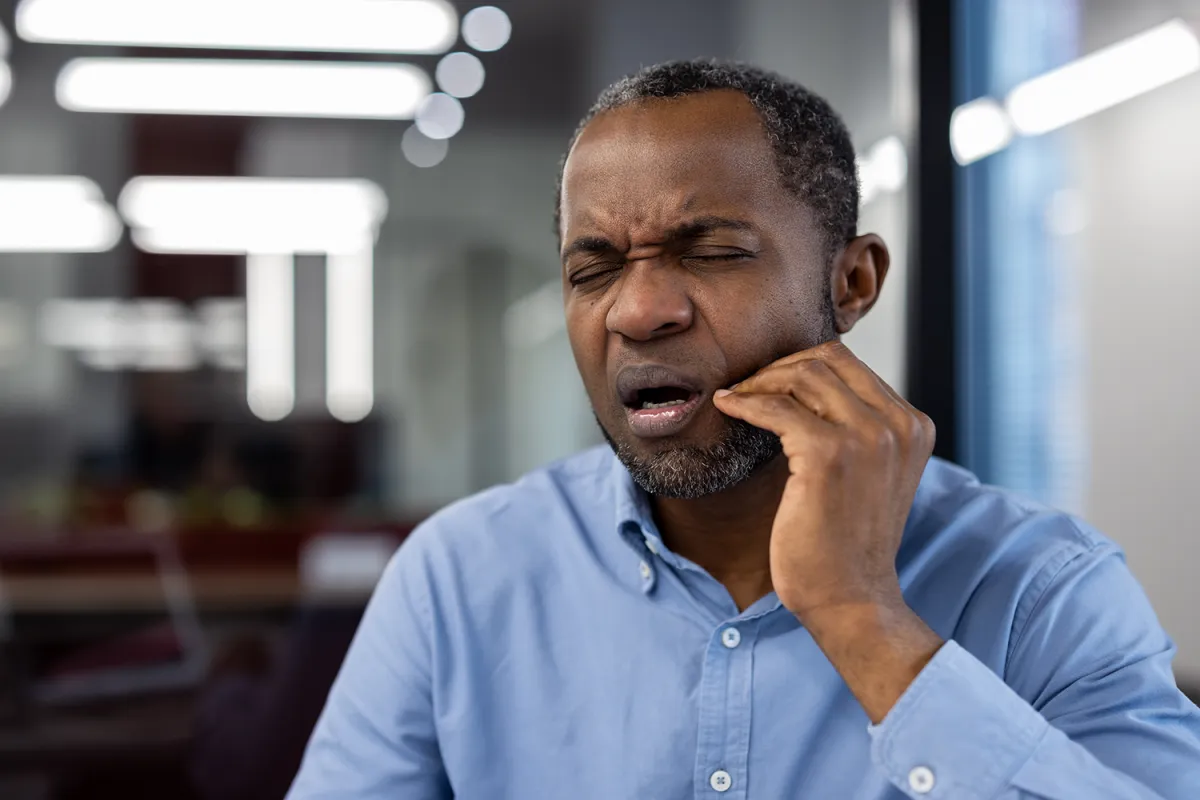
If your jaw starts to feel sore, tired, or tight after a day of back-to-back video calls, you are not imagining it. Many people unconsciously clench their jaw when they are concentrating, stressed, or trying to stay “on” during meetings. Over time, that tension can build up and create symptoms that do not seem obviously related to the jaw at first, including ear fullness, temple tension, facial soreness, and even stiffness into the upper neck.
For many adults in Pleasant Grove and throughout Utah County, remote work and hybrid schedules have changed the way strain shows up in the body. Long Zoom meetings may not look physically demanding, but they can create very real muscle tension patterns. If your jaw feels off after work, there may be a mechanical reason behind it.
Why Zoom Meetings Can Trigger Jaw Tension
During video calls, people often hold tension without realizing it. You may lightly press your teeth together while listening, tighten your face while speaking, or brace your shoulders and neck when you feel stressed. If this happens for hours at a time, the muscles around the jaw joint can become overworked.
Common reasons this happens during long meetings include:
- Clenching the teeth while concentrating
- Holding the head forward toward the screen
- Raising the shoulders without noticing
- Stress-related jaw tightening during difficult conversations
- Limited movement breaks between meetings
When jaw tension combines with upper neck and shoulder tension, it can create a chain reaction. The jaw does not work in isolation. It is closely connected to the muscles of the face, neck, and upper back. That is one reason jaw discomfort can come with ear pressure, headaches near the temples, or soreness below the cheekbone.
Why Your Ear Can Feel Full Even When It Is Not an Ear Infection
One confusing symptom of jaw tension is a feeling of fullness, pressure, or mild discomfort in or around the ear. Many people assume they are getting sick or dealing with sinus pressure. In some cases, though, the problem is coming from irritated muscles and joint tension near the temporomandibular joint, or TMJ, which sits very close to the ear.
When the muscles around that area become tight or irritated, the sensation can feel like:
- Ear fullness or pressure
- Aching in front of the ear
- Clicking or popping when opening the mouth
- Soreness with chewing
- Tension spreading into the temple or side of the head
That does not mean every ear symptom is caused by the jaw. Ear pain, hearing changes, fever, drainage, or severe dizziness should be properly evaluated. But if your symptoms tend to appear after stressful workdays or long stretches of meetings, jaw and upper neck tension may be part of the picture.
Signs Your Jaw Problem May Be Related to Workday Tension
A clenching pattern often leaves clues. You may notice:
- Your teeth are pressed together when you catch yourself concentrating
- Your jaw feels tired by late afternoon
- You wake up with facial tightness after stressful days
- Your upper neck feels stiff along with jaw soreness
- You get temple pressure after a meeting-heavy day
- Chewing tougher foods feels uncomfortable
Some people also notice they are not fully relaxing their mouth between meetings. Ideally, your teeth should not be touching all day. A resting jaw position is usually more relaxed, with the lips together lightly or slightly apart and the teeth separated.
How the Neck and Jaw Affect Each Other
This is where chiropractic care can be especially helpful. The jaw and upper neck often influence each other. If your head stays pushed forward toward a laptop, the muscles under the jaw and around the base of the skull may stay tense for hours. That can change how your jaw moves and how much strain the surrounding tissues absorb.
Likewise, if the jaw muscles are overworking from clenching, you may start to feel tightness into the neck, shoulders, and upper back. It becomes less about one isolated joint and more about a pattern of tension and poor mechanics.
At Dr. Bruce Lowry’s office, an exam can help identify whether your symptoms may be related to joint restriction, muscle tension, posture strain during work, or a combination of factors. The goal is not just to chase the sore spot, but to understand why the pattern keeps happening.
What Chiropractic Care May Help With
Care depends on your specific findings, but treatment may focus on the related areas contributing to the problem, especially the neck, upper back, and surrounding soft tissues. Improving motion and reducing tension in these regions may help decrease the mechanical stress feeding into the jaw area.
When appropriate, care may help with:
- Upper neck stiffness linked to jaw tension
- Muscle tightness around the shoulders and base of the skull
- Restricted movement in the upper back
- Postural strain from workstation habits
- Recurring tension patterns tied to long workdays
If your symptoms suggest something outside a chiropractic issue, you should be referred for the right type of evaluation. A good plan starts with making sure the cause is being approached appropriately.
Practical Ways to Reduce Zoom-Related Jaw Clenching
Small changes during the workday can make a real difference:
- Check your jaw position: A few times each hour, notice whether your teeth are touching. If they are, let the jaw relax.
- Lower shoulder tension: Jaw clenching often comes with raised shoulders. Exhale and let them drop.
- Move between meetings: Even 30 to 60 seconds of standing and walking can interrupt a tension cycle.
- Bring the screen to you: If you are leaning forward, raise the monitor so you are not constantly jutting your head out.
- Avoid chewing gum during work: This can further fatigue already irritated jaw muscles.
- Notice stress patterns: If certain meetings consistently trigger clenching, awareness is the first step toward changing the habit.
These tips may help reduce strain, but if the soreness keeps returning, a more detailed evaluation can be worthwhile.
When It Is Time to Get Checked
You should consider an evaluation if:
- Jaw soreness keeps returning after workdays
- Your ear feels full often without a clear illness
- You notice clicking, catching, or painful mouth opening
- Your symptoms spread into the temple, face, or upper neck
- Working at the computer seems to trigger the problem consistently
The sooner a recurring tension pattern is addressed, the easier it may be to calm it down before it becomes more persistent.
FAQ
Can jaw clenching really cause ear fullness?
Yes, it can. The jaw joint and surrounding muscles sit very close to the ear. Tension and irritation in that area can create a sensation of pressure or fullness, even when the ear itself is not the primary problem.
Is this the same as TMJ?
People often use “TMJ” to describe jaw pain, clicking, or tension, although TMJ technically refers to the joint itself. An exam can help determine whether the issue seems related to jaw mechanics, nearby muscle tension, neck involvement, or another cause.
Should I be worried if my jaw clicks?
Not every click is serious, but clicking combined with pain, limited opening, locking, or recurring soreness deserves attention. If it is becoming more frequent or uncomfortable, it is a good idea to get it evaluated.
Can stress at work make this worse?
Absolutely. Many people clench more when they are focused, anxious, or trying to stay engaged during long meetings. That repeated muscle tension can build throughout the day and lead to jaw and neck symptoms.
If Your Jaw Keeps Tightening Up After Work, Let’s Take a Closer Look
If your jaw feels sore, your ear feels full, or your upper neck keeps tightening up after long Zoom meetings, it may be time to get answers. Dr. Bruce Lowry helps patients in Pleasant Grove and nearby Utah County communities identify the cause of recurring tension patterns and find a practical treatment plan. Call today to schedule an appointment and find out whether chiropractic care can help you feel more comfortable through your workday.

Looking for Relief From Back or Neck Pain?
Schedule an appointment with Dr. Bruce Lowry, your trusted chiropractor in Pleasant Grove, UT.
What Our Patients Say
See why patients throughout Pleasant Grove and Utah County trust Dr. Bruce Lowry for personalized chiropractic care and long-term pain relief.

The chiropractor took the time to listen to my concerns and thoroughly explain the treatment process.I recently had the pleasure of visiting a chiropractor for the first time and I couldn't be happier with the experience. From the moment I walked in, the staff made me feel welcome and at ease. The chiropractor took the time to listen to my concerns and thoroughly explain the treatment process.

Brandon Pymm
Dr. Lowry is an excellent chiropractor. I've been a patient of his for a few years now and feel so much better with the adjustments he's done on my back and spine. I recommend him to all my friends in the area!
Jane Sau
I really enjoyed my visit with Dr. Lowry. It was my first time being adjusted and I was a bit nervous. He talked me through everything he was doing and helped me understand there was nothing to be nervous about. I really appreciated it because he made the whole experience really smooth and enjoyable.