
Chiropractic Tips, Pain Relief & Wellness in Pleasant Grove
Explore chiropractic tips, pain relief strategies, injury recovery information, and wellness advice from Dr. Bruce Lowry. Serving Pleasant Grove and surrounding Utah County communities, our blog covers topics related to back pain, neck pain, headaches, posture, mobility, and everyday health.
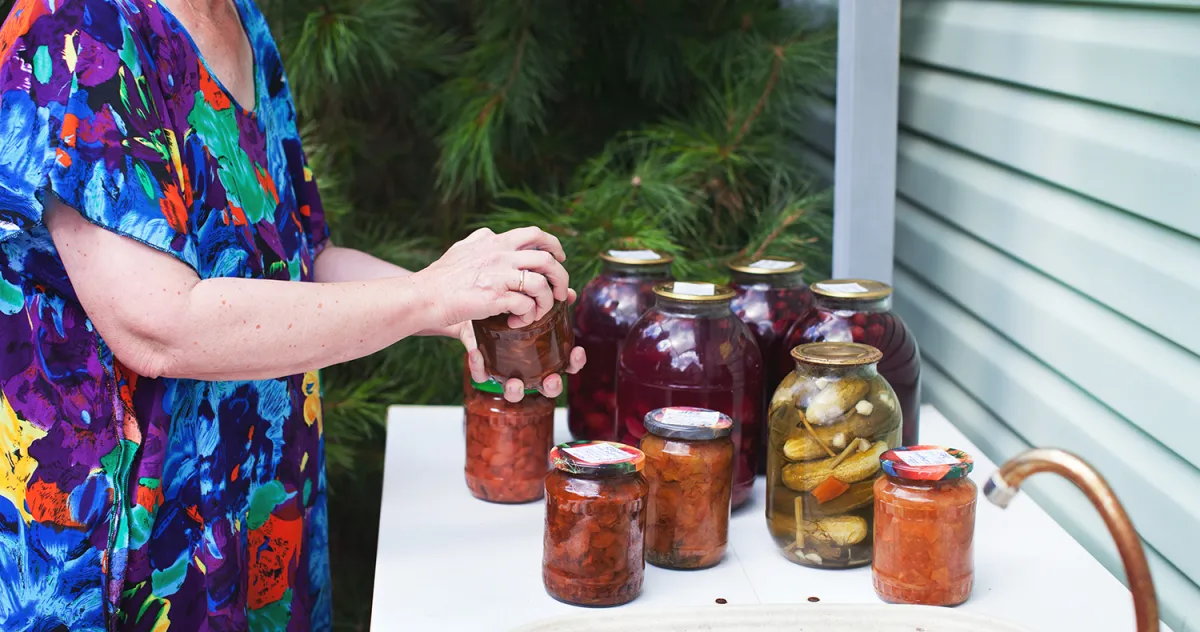
Why Your Forearm Starts Aching and Your Grip Feels Weak After Home Canning and Jar Tightening
Why Your Forearm Starts Aching and Your Grip Feels Weak After Home Canning and Jar Tightening
If your forearm starts aching, your wrist feels tired, or your grip seems weaker after a long day of home canning, you are not imagining it. This is a very real problem for people who spend hours washing produce, chopping, stirring, lifting heavy pots, and repeatedly tightening or opening jar lids. In Pleasant Grove and throughout Utah County, home canning is still a common seasonal activity, especially in late summer and early fall. When your hands and forearms are doing repetitive work for hours, the small joints and soft tissues can become irritated quickly.
At Dr. Bruce Lowry’s office, we often see people who are surprised that a practical household task can lead to ongoing wrist, elbow, or forearm discomfort. The good news is that this kind of pain often responds well when the real mechanical problem is identified and treated early.
Why home canning can irritate your forearm and grip
Home canning asks a lot from your upper body. It is not just one movement repeated once or twice. It is usually a long stretch of repetitive hand use combined with awkward positions and forceful gripping.
Common canning-related motions that can overload the arm include:
repeated twisting of jar lids, gripping slippery glass jars, lifting full pots or water bath canners, cutting and peeling produce for long periods, holding the wrist bent while filling jars, and carrying trays or supplies back and forth across the kitchen.
These motions can stress the muscles and tendons that run from the elbow into the forearm and wrist. When those tissues are overworked, you may notice aching on the top or inside of the forearm, soreness near the elbow, a tired or shaky grip, or discomfort that lingers into the next day.
What symptoms people commonly notice
This problem does not always feel dramatic at first. Many people describe it as a tired arm that slowly turns into something more irritating.
You might notice:
- A deep ache in the forearm after tightening several jars
- Pain near the elbow when lifting a pan or gallon of produce
- Weak grip strength when opening containers later
- Soreness when turning a doorknob or using a can opener
- Stiffness in the wrist or hand the morning after canning
- Pain that seems to move between the elbow, forearm, and wrist
Because the arm works as a chain, the real source of the problem is not always where you feel the pain most strongly. A joint restriction in the wrist, elbow, or even the neck can change how the forearm muscles have to work.
Why this is not always “just muscle soreness”
Some soreness after a physically demanding day is normal. But when pain keeps coming back every time you can, bake, garden, or do other hand-intensive tasks, there may be more going on than simple fatigue.
Repetitive strain can create irritation in tendons, but it can also lead to joint dysfunction. If the wrist or elbow is not moving well, nearby muscles often compensate. That extra tension can make gripping and twisting more painful. In some cases, restricted motion higher up in the shoulder or neck can also contribute to strain farther down the arm.
That is one reason people sometimes try rest, ice, or a brace and still find that the problem returns as soon as they resume normal activity.
How chiropractic care may help
Chiropractic care is not just for low back or neck complaints. A careful chiropractic evaluation can look at how the joints of the neck, shoulder, elbow, wrist, and hand are functioning together. If one area is not moving properly, it can place extra stress on the tissues doing the repetitive work.
Depending on your exam findings, care may include gentle adjustments to improve joint motion, treatment to reduce irritation in overloaded areas, and practical guidance on how to modify the activity that is triggering the problem. The goal is to help your arm function better so daily tasks feel easier and less painful.
For someone in Pleasant Grove who wants to keep up with gardening harvest, food storage, and canning season without losing hand strength or dealing with constant forearm pain, that kind of targeted care can make a real difference.
What to do early before it gets worse
If your forearm starts talking to you during or after canning, it is smart to address it early instead of pushing through for several weekends in a row.
Helpful early steps may include:
- Breaking up long canning sessions into shorter blocks
- Switching tasks often instead of doing all the chopping or all the lid tightening at once
- Avoiding excessive force when sealing or opening jars
- Using supportive tools that reduce strain on the grip
- Paying attention to wrist position instead of working with the wrist constantly bent
- Getting the problem evaluated if pain, weakness, or stiffness keeps returning
The earlier a mechanical issue is identified, the easier it often is to calm things down.
When you should get it checked
It is a good idea to schedule an evaluation if:
- Your pain lasts more than a few days after canning
- Your grip feels noticeably weaker
- You have trouble with basic tasks like opening jars, lifting pans, or turning keys
- The pain keeps returning with cooking, gardening, or computer use
- You start feeling symptoms into the wrist, hand, or elbow on a regular basis
Even if the problem started with one busy weekend in the kitchen, persistent symptoms usually mean the tissues have not fully recovered or that a joint is not moving as well as it should.
FAQ
Can home canning really cause forearm pain?
Yes. Repetitive gripping, twisting, lifting, and wrist positioning during canning can overload the muscles and tendons in the forearm and irritate nearby joints.
Why does my grip feel weak after tightening jar lids?
Forceful repetitive twisting can fatigue the forearm muscles that control grip. If the wrist or elbow is irritated or not moving well, that weakness can feel even more noticeable.
Is this the same as tennis elbow?
Sometimes it can resemble tennis elbow, but not every case of forearm pain from kitchen work is exactly the same. The specific location of pain and the joints involved matter, which is why an exam is important.
Should I wait and see if it goes away on its own?
Mild soreness may settle down, but if the pain keeps returning or starts affecting everyday tasks, it is best to have it evaluated before it becomes harder to calm down.
Get help before canning season turns into weeks of arm pain
If your forearm aches, your wrist feels strained, or your grip is weaker after home canning, do not ignore it. Dr. Bruce Lowry provides chiropractic care for patients in Pleasant Grove and surrounding Utah County communities who want practical help for real-life problems like these. If your pain is lingering or keeps coming back every time you get busy in the kitchen, contact the office today to schedule an appointment and find out what is causing it.

Looking for Relief From Back or Neck Pain?
Schedule an appointment with Dr. Bruce Lowry, your trusted chiropractor in Pleasant Grove, UT.
What Our Patients Say
See why patients throughout Pleasant Grove and Utah County trust Dr. Bruce Lowry for personalized chiropractic care and long-term pain relief.

The chiropractor took the time to listen to my concerns and thoroughly explain the treatment process.I recently had the pleasure of visiting a chiropractor for the first time and I couldn't be happier with the experience. From the moment I walked in, the staff made me feel welcome and at ease. The chiropractor took the time to listen to my concerns and thoroughly explain the treatment process.

Brandon Pymm
Dr. Lowry is an excellent chiropractor. I've been a patient of his for a few years now and feel so much better with the adjustments he's done on my back and spine. I recommend him to all my friends in the area!
Jane Sau
I really enjoyed my visit with Dr. Lowry. It was my first time being adjusted and I was a bit nervous. He talked me through everything he was doing and helped me understand there was nothing to be nervous about. I really appreciated it because he made the whole experience really smooth and enjoyable.