
Chiropractic Tips, Pain Relief & Wellness in Pleasant Grove
Explore chiropractic tips, pain relief strategies, injury recovery information, and wellness advice from Dr. Bruce Lowry. Serving Pleasant Grove and surrounding Utah County communities, our blog covers topics related to back pain, neck pain, headaches, posture, mobility, and everyday health.
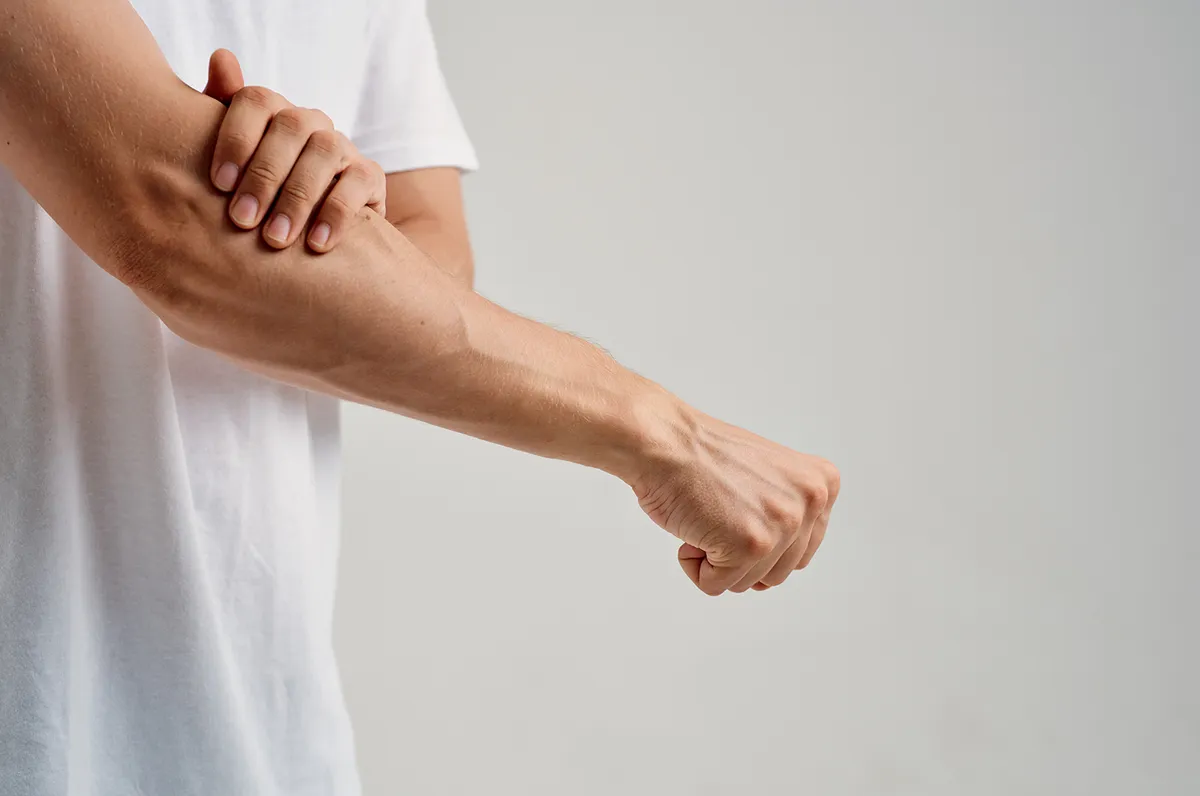
Why Your Forearm Feels Tight and Your Grip Gets Weak After Using a Leaf Blower All Weekend
Why Your Forearm Feels Tight and Your Grip Gets Weak After Using a Leaf Blower All Weekend
After a long weekend of yard cleanup, it is not unusual to notice that your forearm feels unusually tight, your hand gets tired faster, or your grip seems weaker than it should. Many people in Pleasant Grove and throughout Utah County run into this during fall cleanup, spring yard work, or after helping family with a big outdoor project. If you spent hours holding and controlling a leaf blower, your arm may be reacting to more than simple soreness.
This kind of discomfort can show up as aching along the forearm, cramping in the hand, tenderness near the elbow, or a heavy, fatigued feeling when you try to grip a rake, steering wheel, or coffee mug. Sometimes people assume they just overdid it and need to wait it out. In some cases that is true. But when symptoms linger, keep returning, or start affecting daily tasks, it is worth looking more closely at what is happening.
Why a Leaf Blower Can Bother Your Forearm So Much
Using a leaf blower sounds simple, but it places a very specific kind of stress on the body. You are gripping a handle for a long time, often with your wrist slightly extended and your elbow bent. At the same time, you are controlling vibration, resisting the pull of the machine, and making repeated sweeping motions with your arm and shoulder.
That combination can overload the muscles and tendons that help you grip, stabilize your wrist, and control the elbow. If you are switching between one-handed and two-handed use, reaching around landscaping, or cleaning sloped driveways and curb lines, the strain can build even faster. The result may be irritation not just in the forearm itself, but also around the wrist, elbow, and even the shoulder and upper back.
Common Symptoms People Notice After Yard Equipment Use
Forearm strain from a weekend of blower use does not always feel the same from person to person. You might notice:
- Tightness or burning along the top or underside of the forearm
- Weakness when opening jars or carrying grocery bags
- Soreness near the outside or inside of the elbow
- Hand fatigue that comes on faster than usual
- Stiffness in the wrist, especially the next morning
- A shaky or unreliable grip after activity
- Aching that spreads from the forearm into the hand
If the tissues are irritated enough, even normal tasks like typing, lifting a laundry basket, or turning a doorknob can start to feel surprisingly difficult.
It May Not Be Just a Muscle Problem
When people say, “My forearm is tight,” the source is not always just overworked muscle. In some cases, the joints above and below the area are part of the problem. The wrist, elbow, and shoulder all need to move well so the forearm muscles are not forced to compensate. If one area is stiff or not moving efficiently, the forearm can take on extra strain.
For example, limited shoulder motion can make you work harder through the lower arm while sweeping the blower side to side. Reduced wrist mobility can increase tension where the forearm muscles attach near the elbow. Even posture and upper back mechanics can change how load travels down the arm during repetitive yard work.
That is one reason symptoms sometimes seem out of proportion to the task. The leaf blower may have been the activity that triggered the pain, but the underlying issue may involve movement patterns that were already building up over time.
When to Pay Closer Attention
Mild soreness that improves over a day or two is common after unusual activity. But it is smart to pay attention if:
- Your grip strength still feels off several days later
- Pain keeps returning whenever you do yard work
- You feel pain near the elbow when lifting or pouring
- The forearm feels tight even during rest
- You start avoiding normal activities because the arm feels unreliable
- You notice symptoms spreading into the wrist, hand, or shoulder
These patterns can suggest that the area is not recovering well on its own and may benefit from a more targeted evaluation.
How Chiropractic Care Can Help
At Dr. Bruce Lowry's office, the goal is not to simply chase the sore spot. A good evaluation looks at how your wrist, elbow, shoulder, and surrounding muscles are functioning together. If yard work triggered the problem, it helps to understand why your body handled that activity the way it did.
Depending on your findings, chiropractic care may help by improving joint motion, reducing mechanical irritation, and addressing areas that are placing extra strain on the forearm. Treatment may also include practical recommendations for modifying activity while the area calms down.
For many patients, it is reassuring to learn that their symptoms are tied to a very fixable movement and load problem rather than something mysterious. The key is matching treatment to the actual cause of the stress.
What to Do at Home Right Away
If your forearm is bothering you after a heavy weekend of blower use, a few simple steps may help:
- Reduce repetitive gripping for a short period if possible
- Alternate hands or take more frequent breaks during outdoor work
- Avoid pushing through sharp pain just to finish the job
- Pay attention to whether your wrist stays bent back while gripping tools
- Use both arms when practical to spread the workload
- Notice whether shoulder fatigue is causing you to overwork the forearm
If symptoms are getting worse instead of better, or if the weakness feels significant, it is a good idea to have it checked rather than waiting for it to become a longer-term problem.
Why This Matters for Homeowners in Pleasant Grove
In Pleasant Grove, yard work is rarely just a quick ten-minute task. Between seasonal leaves, wind-blown debris, larger corner lots, and back-to-back weekends of outdoor cleanup, many homeowners end up doing more repetitive tool use than they realize. A forearm issue that starts with one weekend project can turn into an ongoing frustration when you still have mowing, trimming, hauling, and home maintenance ahead.
Getting the problem addressed early can help you stay active and keep up with normal life without letting a small strain become a stubborn recurring issue.
FAQ
Is this the same as tennis elbow?
Not always. Forearm tightness and grip weakness after using a leaf blower can involve the same general region, but not every case is classic tennis elbow. The wrist, elbow, shoulder, and movement pattern all matter.
Should I stop all yard work until it goes away?
Not necessarily. Some people do better with temporary modification rather than complete rest. The key is avoiding repeated aggravation while the irritated tissues settle down.
Can a weak grip come from the shoulder or upper arm too?
Yes. If the shoulder is not moving or stabilizing well, the forearm and hand often work harder to compensate. That can contribute to fatigue and weakness during repetitive tasks.
When should I schedule an appointment?
If your symptoms last more than a few days, keep coming back with yard work, or are interfering with normal tasks like lifting, gripping, or typing, it is a good time to get evaluated.
Schedule an Appointment
If your forearm feels tight, your grip is weaker than usual, or yard work is starting to affect your daily routine, Dr. Bruce Lowry can help. At The Chiro in Pleasant Grove, we work with patients from across Utah County who want clear answers and practical care. Contact our office today to schedule an appointment and find out what is really driving your arm pain.

Looking for Relief From Back or Neck Pain?
Schedule an appointment with Dr. Bruce Lowry, your trusted chiropractor in Pleasant Grove, UT.
What Our Patients Say
See why patients throughout Pleasant Grove and Utah County trust Dr. Bruce Lowry for personalized chiropractic care and long-term pain relief.

The chiropractor took the time to listen to my concerns and thoroughly explain the treatment process.I recently had the pleasure of visiting a chiropractor for the first time and I couldn't be happier with the experience. From the moment I walked in, the staff made me feel welcome and at ease. The chiropractor took the time to listen to my concerns and thoroughly explain the treatment process.

Brandon Pymm
Dr. Lowry is an excellent chiropractor. I've been a patient of his for a few years now and feel so much better with the adjustments he's done on my back and spine. I recommend him to all my friends in the area!
Jane Sau
I really enjoyed my visit with Dr. Lowry. It was my first time being adjusted and I was a bit nervous. He talked me through everything he was doing and helped me understand there was nothing to be nervous about. I really appreciated it because he made the whole experience really smooth and enjoyable.