
Chiropractic Tips, Pain Relief & Wellness in Pleasant Grove
Explore chiropractic tips, pain relief strategies, injury recovery information, and wellness advice from Dr. Bruce Lowry. Serving Pleasant Grove and surrounding Utah County communities, our blog covers topics related to back pain, neck pain, headaches, posture, mobility, and everyday health.
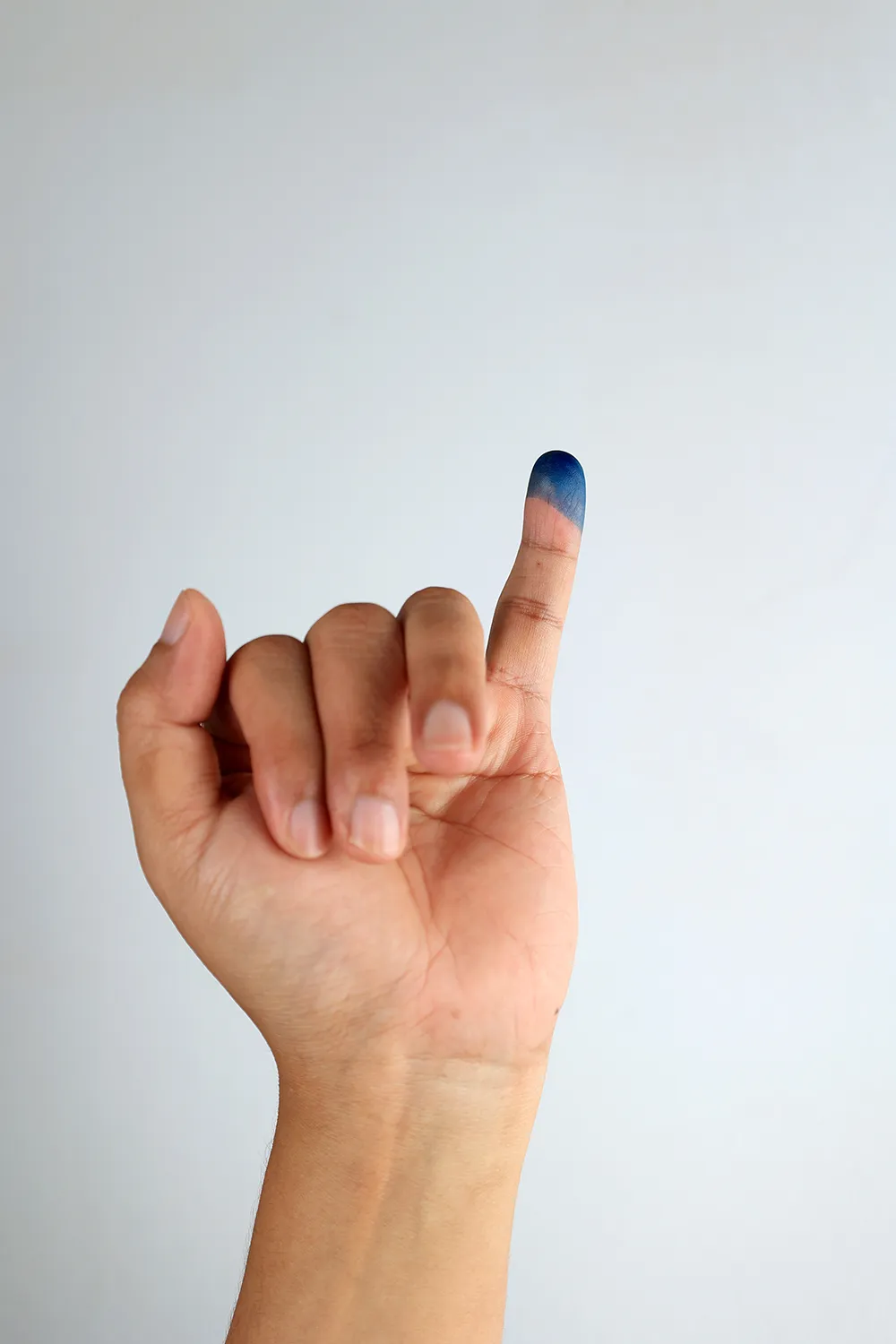
Why Your Wrist Starts Clicking and Your Pinky Finger Goes Numb After Pushing a Lawnmower Around Corner Lots
Why Your Wrist Starts Clicking and Your Pinky Finger Goes Numb After Pushing a Lawnmower Around Corner Lots
If your wrist has started clicking, aching, or feeling weak after mowing your yard, and you have noticed numbness or tingling into your pinky finger afterward, you are not imagining it. This can happen after repeated lawn mowing, especially on larger or awkward lots where you are constantly turning, gripping hard, and pushing over uneven ground.
In Pleasant Grove and across Utah County, yard work picks up fast in the spring and summer. Many people go from months of lighter winter activity straight into weekends full of mowing, edging, trimming, and cleanup. That sudden change in hand, wrist, and forearm demand can irritate joints, muscles, and nearby nerves.
While many people assume this is just a minor strain that will go away, persistent clicking, numbness, or loss of grip can be a sign that the wrist and forearm are not moving well and are being overloaded in a very specific way.
Why mowing can irritate the wrist and hand
Pushing a lawnmower seems simple, but it puts your upper body into a repetitive pattern. Your hands stay fixed on the handle, your wrists are often slightly bent, and your forearms have to absorb vibration and steering forces. If you have a corner lot, slopes, narrow side yards, or frequent turns around landscaping, the load on one side can become even more uneven.
Common reasons symptoms show up include:
Repeated tight gripping of the mower handle, especially when going uphill or around turns
Constant vibration traveling through the hand and forearm
Wrist extension or side-bending held for long periods
Twisting motions while turning the mower around trees, curbs, or flower beds
Compensation from the elbow, shoulder, or upper back that changes how force travels into the wrist
When that happens, the small joints of the wrist can become irritated, the muscles in the forearm can tighten up, and the nerve pathway that supplies the ring and pinky side of the hand can become aggravated.
Why the pinky finger is involved
Numbness in the pinky finger often points to irritation along the ulnar nerve pathway. That does not always mean the problem is only in the finger itself. The irritation may come from the wrist, the forearm, the elbow, or even from the way the shoulder and upper body are handling load.
After a long mowing session, you might notice:
Tingling in the pinky or ring finger
A weak or clumsy grip
Clicking near the wrist with turning or lifting
Soreness along the pinky side of the wrist
A feeling that your hand is tired much faster than usual
These symptoms can build slowly. At first, it may only happen after yard work. Later, you may notice it while opening jars, carrying grocery bags, typing, or using hand tools.
What the clicking may mean
A clicking wrist does not always mean something serious, but it should not be ignored if it is new, painful, or paired with numbness. Clicking can happen when irritated tendons move over nearby structures, when wrist mechanics are off, or when the smaller joints of the wrist are not tracking smoothly during movement.
If the wrist has to keep compensating during repetitive work, the surrounding tissues can become more sensitive. That is often when people begin noticing both mechanical symptoms, like clicking or catching, and nerve symptoms, like tingling or numbness.
Why this problem is easy to overlook
Many people expect soreness after yard work, so they keep pushing through it. But mowing is usually not just one pass in a straight line. Real-life mowing often includes backing up, pulling the mower around corners, pushing through thicker grass, and making repeated directional changes. Those details matter.
It is also common for the real issue to involve more than the wrist alone. If your shoulder blade is not stabilizing well, your elbow stays locked, or your upper back is stiff, your wrist may end up taking more force than it should. That is one reason a problem can keep returning every weekend even if you try a brace or take a few days off.
How chiropractic care may help
A chiropractic evaluation can help identify whether the main driver is coming from the wrist itself, the forearm and elbow, or from movement problems farther up the chain. At Dr. Bruce Lowry's office, the goal is to look at how your body is actually functioning during daily life, not just where it hurts.
Depending on your specific findings, care may include:
Checking joint motion in the wrist, elbow, and upper extremity
Identifying areas of restricted movement that may be increasing strain
Gentle chiropractic treatment to improve motion where appropriate
Soft tissue work for irritated forearm muscles and surrounding structures
Practical guidance on activity modification while things calm down
For many patients, the key is not simply resting the wrist. It is restoring better motion and reducing the repeated mechanical stress that keeps setting the problem off.
What you can do before your appointment
If mowing seems to trigger your symptoms, a few changes may help reduce irritation:
Switch hands when possible during one-handed steering moments
Loosen your grip and avoid squeezing the handle harder than necessary
Take brief breaks on larger yards or corner lots
Watch for prolonged wrist bending while turning the mower
Use both arms evenly instead of letting one side do most of the work
Pay attention to whether symptoms are worse on slopes or tight turns
If numbness is becoming more frequent, your grip feels weaker, or the clicking is painful, it is a good idea to get it checked sooner rather than later.
When to seek care
You should not ignore symptoms that keep coming back with routine tasks. Consider an evaluation if:
Your wrist clicks and hurts during or after mowing
You get repeated numbness in the pinky or ring finger
Your hand feels weak when carrying, gripping, or lifting
Symptoms are starting to affect work, home projects, or sleep
The problem returns every time you do yard work
In a community like Pleasant Grove, where outdoor chores are a regular part of life for much of the year, these repetitive strain problems are common. The good news is that they are often very treatable once the underlying movement issue is identified.
FAQ
Can mowing really cause finger numbness?
Yes. The combination of gripping, vibration, wrist position, and repeated turning can irritate the tissues and nerve pathways involved in hand sensation, especially on the pinky side.
Is a clicking wrist always a serious injury?
Not always. Some clicking is harmless, but if it is new, painful, or combined with numbness, weakness, or catching, it deserves attention.
Should I stop mowing completely?
Not necessarily. It depends on the severity of your symptoms. Some people improve with temporary changes in technique and load, while others need treatment to address the underlying irritation.
Can chiropractic care help if the problem feels like it is in my hand?
It may. Hand symptoms can be influenced by the wrist, forearm, elbow, shoulder, and upper back. A thorough exam helps determine where the problem is really starting.
Schedule an appointment in Pleasant Grove
If your wrist starts clicking and your pinky finger goes numb after mowing, do not wait until it affects every part of your day. Dr. Bruce Lowry provides thoughtful chiropractic care for patients in Pleasant Grove and nearby Utah County communities who want real answers and practical help. Contact the office today to schedule an appointment and find out what is driving your symptoms.

Looking for Relief From Back or Neck Pain?
Schedule an appointment with Dr. Bruce Lowry, your trusted chiropractor in Pleasant Grove, UT.
What Our Patients Say
See why patients throughout Pleasant Grove and Utah County trust Dr. Bruce Lowry for personalized chiropractic care and long-term pain relief.

The chiropractor took the time to listen to my concerns and thoroughly explain the treatment process.I recently had the pleasure of visiting a chiropractor for the first time and I couldn't be happier with the experience. From the moment I walked in, the staff made me feel welcome and at ease. The chiropractor took the time to listen to my concerns and thoroughly explain the treatment process.

Brandon Pymm
Dr. Lowry is an excellent chiropractor. I've been a patient of his for a few years now and feel so much better with the adjustments he's done on my back and spine. I recommend him to all my friends in the area!
Jane Sau
I really enjoyed my visit with Dr. Lowry. It was my first time being adjusted and I was a bit nervous. He talked me through everything he was doing and helped me understand there was nothing to be nervous about. I really appreciated it because he made the whole experience really smooth and enjoyable.