Chiropractic Tips, Pain Relief & Wellness in Pleasant Grove
Explore chiropractic tips, pain relief strategies, injury recovery information, and wellness advice from Dr. Bruce Lowry. Serving Pleasant Grove and surrounding Utah County communities, our blog covers topics related to back pain, neck pain, headaches, posture, mobility, and everyday health.
Why Your Thumb Starts Catching and Hurting After Wrapping Holiday Gifts Late Into the Night
Why Your Thumb Starts Catching and Hurting After Wrapping Holiday Gifts Late Into the Night
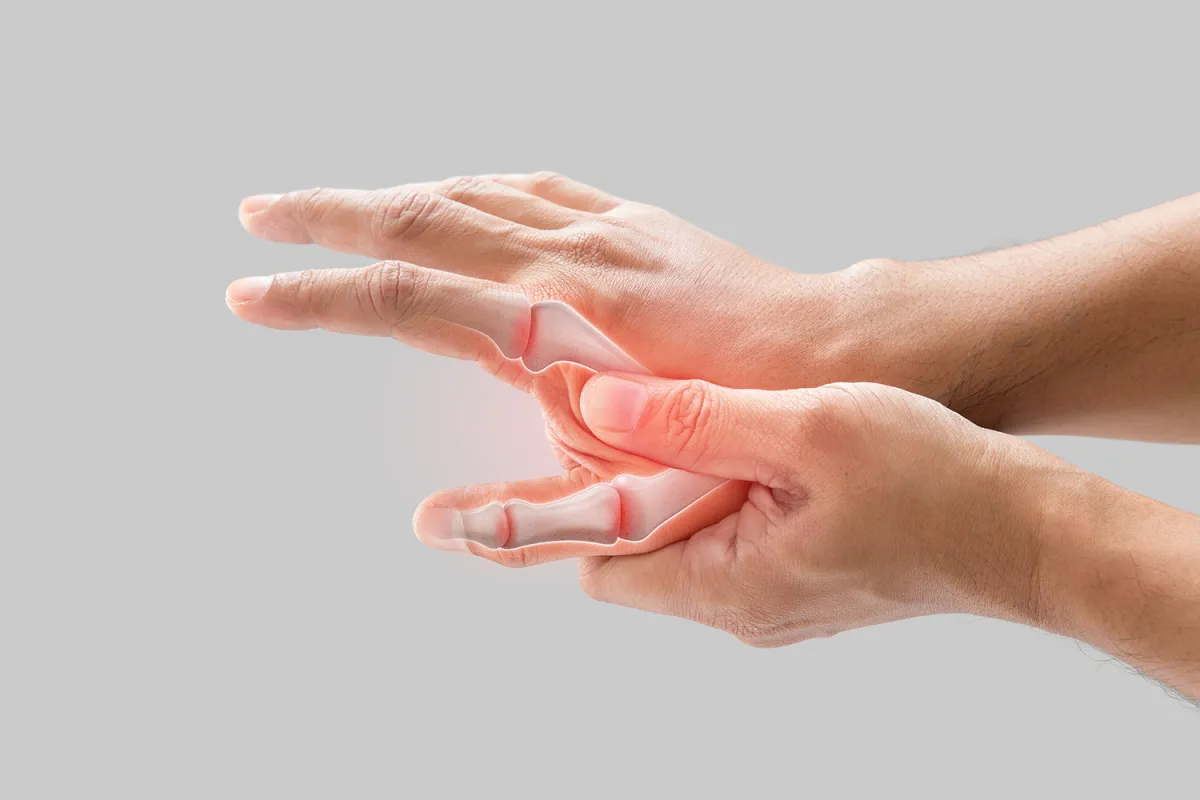
If your thumb has started aching, catching, or feeling strangely stiff after a long evening of wrapping presents, you are not imagining it. Around the holidays in Pleasant Grove and throughout Utah County, many people spend hours cutting paper, pulling tape, curling ribbon, and gripping scissors in repetitive positions they do not use the rest of the year. The next morning, a sore thumb can make simple tasks like opening containers, texting, turning a key, or lifting a mug surprisingly uncomfortable.
This kind of problem is easy to dismiss at first. Many people assume it will go away in a day or two. But when the thumb keeps clicking, feels weak, or hurts every time you pinch or grip, it may be a sign that the joints and soft tissues in the hand, wrist, and even the forearm have become irritated from repetitive strain.
Why gift wrapping can irritate your thumb
Gift wrapping seems harmless, but it combines several motions that can overload the thumb in a short period of time. You may be repeatedly pinching paper into place, tearing tape, pressing down on boxes, squeezing scissors, and holding awkward wrist positions over the floor or a table. If you are rushing to finish late at night, you are also more likely to ignore fatigue and keep going past the point when your hand mechanics start to break down.
The thumb does a huge amount of work during these tasks. It helps stabilize your grip, guide fine movements, and generate force while pinching. When those movements are repeated over and over, the small joints of the thumb and wrist can become irritated, and the muscles and tendons running through the forearm can tighten up and add even more stress.
What symptoms people commonly notice
Not everyone feels the same kind of pain. Some people notice discomfort right at the base of the thumb near the wrist. Others feel soreness along the side of the wrist, especially when lifting a child, picking up a pan, or twisting open a jar. Some describe a catching or sticking sensation when bending the thumb, while others notice weakness or a sharp pain with pinching.
Common symptoms after repetitive hand use can include:
Thumb pain when gripping or pinching
Stiffness first thing in the morning
Clicking or catching with movement
Pain that travels into the wrist or forearm
Weakness when holding objects
Tenderness near the base of the thumb
When these symptoms linger, it usually means the area needs more than simple rest.
Why the problem is not always just in the thumb
Many patients are surprised to learn that thumb pain is not always only a thumb issue. The way your wrist moves, how your forearm muscles are functioning, and even the position of nearby joints can affect how much strain ends up going through the thumb. If the wrist is not moving well or the forearm is overly tight, the thumb may be forced to compensate during repetitive tasks.
That is one reason a more complete evaluation matters. Instead of only focusing on the sore spot, Dr. Bruce Lowry looks at how the hand, wrist, and surrounding structures are working together. Finding the source of the strain can help guide more effective care.
How chiropractic care may help
Chiropractic care for this type of complaint is focused on improving motion, reducing irritation, and helping the affected area function more normally again. Depending on your exam findings, care may include gentle treatment for the joints of the hand and wrist, attention to the forearm and surrounding soft tissues, and recommendations to reduce strain during daily tasks.
The goal is not simply to cover up symptoms. It is to address mechanical stress that may be contributing to the pain and helping the area calm down so normal activities feel easier again.
If your symptoms began after a very specific activity, like marathon holiday wrapping, that detail is actually useful. It can help identify the pattern of overuse and guide practical changes that support recovery.
What you can do at home right away
If your thumb is irritated after repetitive wrapping or crafting, a few simple steps may help keep the problem from getting worse:
Take a break from activities that require repeated pinching or gripping for a few days.
Use larger-handled scissors or tools if you need to keep working.
Avoid long wrapping sessions without breaks.
Try to keep your wrist in a more neutral position instead of bending it sharply.
Switch hands for light tasks when possible.
Pay attention to whether lifting, texting, or opening jars is aggravating the area.
If the pain keeps returning, starts interfering with everyday use of your hand, or feels like it is getting worse instead of better, it is a good time to have it evaluated.
When to get checked
A sore thumb after overdoing it one evening may settle down quickly. But if you have ongoing catching, pain with basic household tasks, or weakness that makes it hard to trust your grip, it is worth getting professional advice. The sooner repetitive strain problems are addressed, the easier they are usually to calm down.
This is especially true during busy seasons, when many people in Pleasant Grove are juggling shopping, decorating, family events, and extra household work. Small issues often get ignored until they become much more limiting.
FAQ
Can wrapping gifts really cause thumb pain?
Yes. Long periods of pinching, cutting, taping, and gripping can overload the thumb and wrist, especially if you are doing it for hours in one sitting.
Why does my thumb click or catch now?
A catching sensation can happen when irritated soft tissues are not moving smoothly or when a joint is not functioning normally. It is a sign the area should not be ignored if it continues.
Should I just rest it and wait?
Short-term rest may help mild irritation, but if the pain lingers, comes back quickly, or affects daily tasks, an evaluation can help identify what is actually driving the problem.
Can chiropractic care help with hand and wrist-related problems?
In many cases, yes. If the issue involves joint restriction, repetitive strain, or mechanical stress affecting the thumb, wrist, or forearm, chiropractic care may be part of a helpful treatment plan.
Get your thumb checked before it becomes a bigger problem
If your thumb started hurting, catching, or feeling weak after late-night gift wrapping or other repetitive hand work, do not wait for it to turn into a longer-term problem. Dr. Bruce Lowry provides thoughtful, patient-focused chiropractic care for people in Pleasant Grove and nearby Utah County communities. If your hand, wrist, or thumb is interfering with daily life, schedule an appointment at The Chiro and get it evaluated.

Looking for Relief From Back or Neck Pain?
Schedule an appointment with Dr. Bruce Lowry, your trusted chiropractor in Pleasant Grove, UT.
What Our Patients Say
See why patients throughout Pleasant Grove and Utah County trust Dr. Bruce Lowry for personalized chiropractic care and long-term pain relief.

The chiropractor took the time to listen to my concerns and thoroughly explain the treatment process.I recently had the pleasure of visiting a chiropractor for the first time and I couldn't be happier with the experience. From the moment I walked in, the staff made me feel welcome and at ease. The chiropractor took the time to listen to my concerns and thoroughly explain the treatment process.

Brandon Pymm
Dr. Lowry is an excellent chiropractor. I've been a patient of his for a few years now and feel so much better with the adjustments he's done on my back and spine. I recommend him to all my friends in the area!
Jane Sau
I really enjoyed my visit with Dr. Lowry. It was my first time being adjusted and I was a bit nervous. He talked me through everything he was doing and helped me understand there was nothing to be nervous about. I really appreciated it because he made the whole experience really smooth and enjoyable.