
Chiropractic Tips, Pain Relief & Wellness in Pleasant Grove
Explore chiropractic tips, pain relief strategies, injury recovery information, and wellness advice from Dr. Bruce Lowry. Serving Pleasant Grove and surrounding Utah County communities, our blog covers topics related to back pain, neck pain, headaches, posture, mobility, and everyday health.
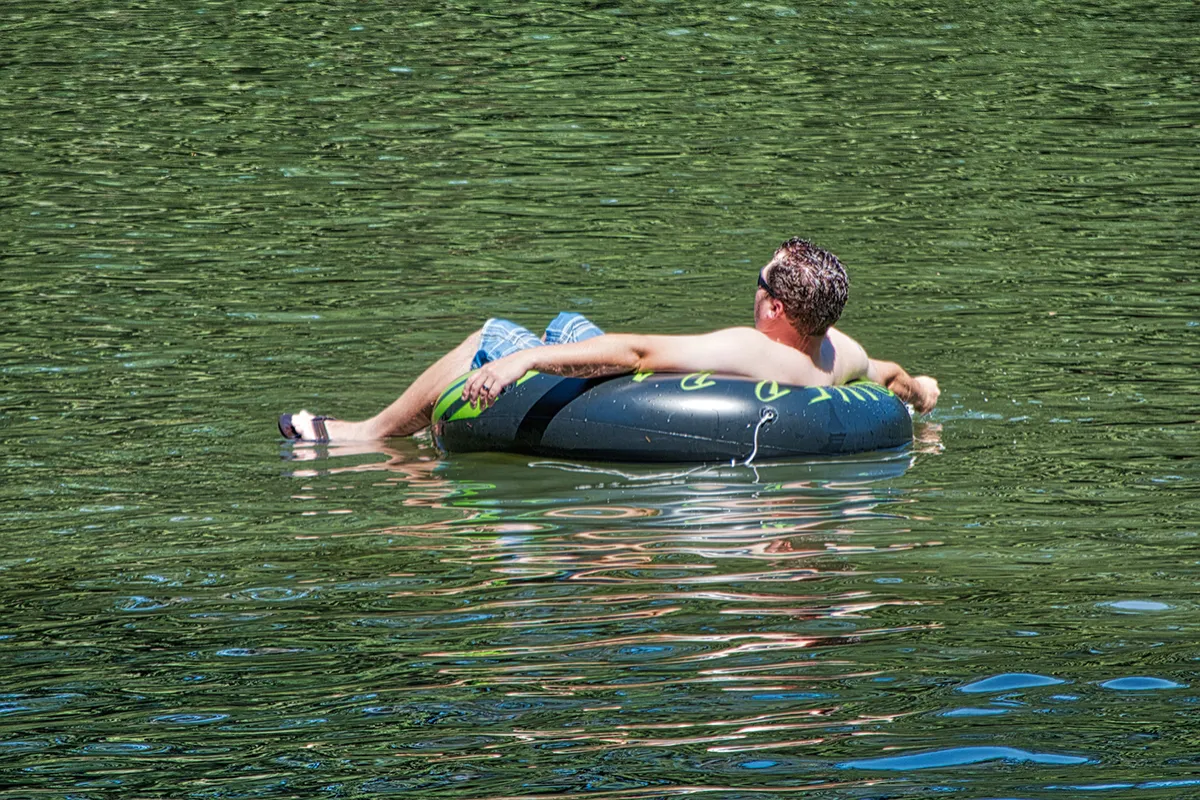
Why Your Tailbone Hurts After a Long Day Floating the Provo River
Why Your Tailbone Hurts After a Long Day Floating the Provo River
A relaxing day on the river is supposed to leave you sun-tired and happy, not wincing every time you sit down. But tailbone pain after floating, tubing, or spending hours in a kayak-style seat is more common than many people realize. If you spent the day on the Provo River or another favorite Utah County water spot and now feel sore right at the bottom of your spine, there is usually a very specific reason.
At Dr. Bruce Lowry’s office in Pleasant Grove, we see people with aches that start after very ordinary local activities. Tailbone pain can feel surprisingly intense because sitting, driving, leaning back, and even getting up from a chair all put pressure through that area.
Why floating can irritate your tailbone
Your tailbone, also called the coccyx, sits at the very base of the spine. It is small, but it handles more stress than most people think. During a long float, several things can irritate the tissues around it:
Prolonged pressure: Sitting in a tube or low sling-style seat concentrates your body weight on a small area for hours.
Slumped posture: When your pelvis rolls backward, more pressure shifts directly onto the tailbone instead of being shared through the hips.
Bumping over shallow sections or rocks: Even mild repeated jolts can irritate the joints and ligaments around the coccyx.
Tensing to stay balanced: Your low back, glutes, and pelvic floor may tighten up during the float, especially if you are bracing through rapids, uneven current, or frequent repositioning.
The drive home afterward: If the area is already irritated, sitting in the car can make the pain much more noticeable.
What tailbone pain after tubing usually feels like
Not everyone describes it the same way. Some people say it feels bruised. Others say it is sharp, deep, or oddly pinpointed. Common symptoms include:
Pain directly at the tailbone when sitting
Pain when leaning back in a chair
Soreness getting up from sitting
A deep ache into the glutes or pelvic area
Increased pain during long drives
Tenderness if you press near the base of the spine
Sometimes the problem is truly centered at the coccyx. Other times, the tailbone is only part of the story, and nearby joints, muscles, or ligaments are contributing.
It may not be “just a bruise”
People often assume tailbone pain means they must have fallen hard. While a direct fall can absolutely cause coccyx pain, that is not the only cause. Hours of sustained pressure and repeated low-level jarring can be enough to irritate the area.
In some cases, the sacrum and pelvis stop moving well together, causing added strain at the bottom of the spine. Tight glute muscles, irritated pelvic ligaments, or low back joint restriction can also make the pain feel like it is coming only from the tailbone.
That is one reason self-diagnosis can be frustrating. The pain is in a small area, but the source may involve several nearby structures.
What you can do at home first
If your symptoms are mild and recent, a few simple steps may help calm things down:
Avoid long periods of sitting: Break up sitting time for a few days, especially if you also commute through Utah County or work at a desk.
Use a supportive sitting surface: A firmer chair is often better than a deep, soft couch that lets you sink backward onto the tailbone.
Lean slightly forward when sitting: This can reduce direct pressure on the coccyx.
Apply ice early if it feels inflamed: Short sessions may help if the area feels acutely irritated after the activity.
Pay attention to transitions: Move carefully when going from sitting to standing, since that is often when pain spikes.
If symptoms are not improving, keep returning after sitting, or start affecting sleep and daily movement, it is a good time to get evaluated.
How chiropractic care may help
A chiropractic evaluation can help determine whether the main issue is the tailbone itself or if surrounding areas are placing extra stress on it. Depending on your exam findings, care may focus on improving motion and reducing irritation in related areas such as the low back, sacrum, pelvis, and soft tissues around the hips.
The goal is not to chase symptoms blindly. It is to identify what is not moving or functioning well and why sitting still hurts days after the river trip is over.
At our Pleasant Grove office, Dr. Bruce Lowry takes the time to look at the whole mechanical picture. For some patients, that means the tailbone is the clear source. For others, restoring better movement through the pelvis and lower spine is the key to lasting relief.
When tailbone pain should be checked sooner
Do not ignore the problem if:
The pain is severe or getting worse
You had a significant fall or impact
You notice numbness, weakness, or changes in bowel or bladder control
You cannot sit comfortably at all
The pain is lingering beyond a couple of weeks without improvement
These signs do not always mean something serious is happening, but they do mean it is worth getting professional guidance.
How to reduce the chance of it happening again
If you love summer floating trips, a few small changes may help next time:
Choose a tube or seat with better support if possible
Shift positions regularly instead of staying slumped in one posture
Stand or walk around during breaks
Avoid dropping hard into shallow or rocky sections
Be mindful of the long drive home if the area already feels tender
Sometimes it is not the river itself but the combination of hours of pressure, awkward posture, and delayed stiffness afterward that creates the problem.
FAQ
Can tubing really cause tailbone pain even if I did not fall?
Yes. Prolonged pressure, slumped sitting, and repeated jostling can irritate the coccyx and nearby tissues even without a dramatic injury.
How long does tailbone pain after floating usually last?
Mild irritation may settle within days. If pain continues beyond a week or two, or keeps returning whenever you sit, it should be evaluated.
Should I avoid exercise completely?
Not necessarily. Many people do better with light movement than with total rest. The main thing to avoid at first is prolonged sitting or activities that directly increase pressure on the tailbone.
Can a chiropractor help with tailbone pain?
In many cases, yes. A chiropractor can assess whether the coccyx, sacrum, pelvis, or low back mechanics are contributing and recommend appropriate care.
Get your tailbone pain checked in Pleasant Grove
If sitting has been miserable since your river float and the soreness is not going away, do not just wait and hope it clears up. Dr. Bruce Lowry helps patients in Pleasant Grove and nearby Utah County communities identify the real cause of stubborn pain and get back to normal daily life more comfortably. Contact our office to schedule an appointment and find out what is keeping your tailbone irritated.

Looking for Relief From Back or Neck Pain?
Schedule an appointment with Dr. Bruce Lowry, your trusted chiropractor in Pleasant Grove, UT.
What Our Patients Say
See why patients throughout Pleasant Grove and Utah County trust Dr. Bruce Lowry for personalized chiropractic care and long-term pain relief.

The chiropractor took the time to listen to my concerns and thoroughly explain the treatment process.I recently had the pleasure of visiting a chiropractor for the first time and I couldn't be happier with the experience. From the moment I walked in, the staff made me feel welcome and at ease. The chiropractor took the time to listen to my concerns and thoroughly explain the treatment process.

Brandon Pymm
Dr. Lowry is an excellent chiropractor. I've been a patient of his for a few years now and feel so much better with the adjustments he's done on my back and spine. I recommend him to all my friends in the area!
Jane Sau
I really enjoyed my visit with Dr. Lowry. It was my first time being adjusted and I was a bit nervous. He talked me through everything he was doing and helped me understand there was nothing to be nervous about. I really appreciated it because he made the whole experience really smooth and enjoyable.