Chiropractic Tips, Pain Relief & Wellness in Pleasant Grove
Explore chiropractic tips, pain relief strategies, injury recovery information, and wellness advice from Dr. Bruce Lowry. Serving Pleasant Grove and surrounding Utah County communities, our blog covers topics related to back pain, neck pain, headaches, posture, mobility, and everyday health.
Why Your Side Hurts and Your Upper Back Feels Stuck After Lifting a Kayak Onto the Car
Why Your Side Hurts and Your Upper Back Feels Stuck After Lifting a Kayak Onto the Car
If you felt a sharp pull in your side or a stuck, hard-to-breathe feeling in your upper back after loading a kayak onto your vehicle, you are not imagining it. This is a very real problem that can happen during one awkward lift, especially when the weight is overhead, the reach is uneven, and your body twists while you are trying to protect the car roof at the same time.
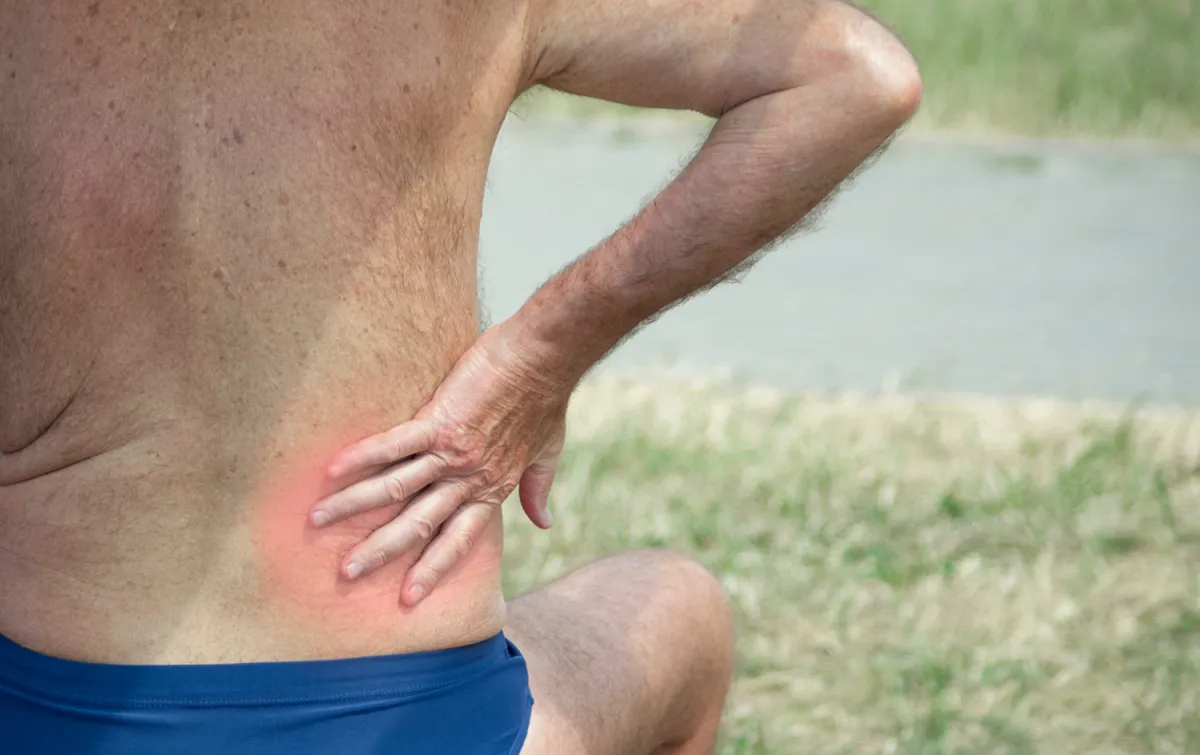
For many people in Pleasant Grove and across Utah County, kayaking trips start with the hardest part: getting the boat on and off the car. When that lift goes wrong, the pain may show up around the ribs, shoulder blade, mid-back, or side of the torso. Sometimes it feels like a muscle strain. Sometimes it feels like something is stuck, pinching, or catching when you move or breathe deeply.
Why loading a kayak can irritate your ribs, side, and upper back
Loading a kayak is different from lifting a box off the floor. The shape is awkward, the grip is inconvenient, and the load often shifts while your arms are out in front of you or overhead. Many people also lift while leaning sideways or twisting, especially if they are loading alone.
That combination can stress several areas at once:
The rib joints: The ribs connect to the spine in the upper and mid-back. A sudden twist or strain can irritate these joints and make the area feel sharp, stiff, or painful with deep breathing.
The muscles between the ribs and along the side: These muscles help stabilize your torso. They can be overstretched when you reach up and across your body with a heavy kayak.
The shoulder blade region: The muscles that control the shoulder blade have to work hard during overhead lifting. If they are overloaded, you may feel burning, tightness, or a pulling sensation near the shoulder blade.
The upper thoracic spine: The joints in the upper back can become restricted after an awkward lift. This often creates that “stuck” feeling when you turn, reach, or take a deep breath.
What this problem commonly feels like
Not everyone describes it the same way, but there are a few patterns that show up often after this type of injury:
- Pain along one side of the rib cage
- A sharp catch when taking a deep breath
- Upper back stiffness between the shoulder blades
- Pain when reaching overhead or across the body
- Discomfort when rolling over in bed
- A pulling or stabbing sensation when coughing or sneezing
- Trouble finding a comfortable position while driving home from the lake
Some people expect soreness in the shoulders, but are surprised when the pain is lower, deeper, or closer to the ribs. That can happen because the torso absorbs a lot of force during a lift like this.
When it may be more than simple soreness
Mild muscle soreness often improves over a day or two. If the area feels locked up, keeps catching, or is making normal movement difficult, there may be joint irritation in the ribs or upper back in addition to muscle strain.
You may benefit from an evaluation if:
- The pain is not improving after a few days
- It hurts to breathe deeply
- You cannot turn or reach normally
- The area feels tight and guarded all day
- The pain returns every time you try to lift, paddle, or load gear
A thorough exam can help determine whether the main issue is muscular, joint-related, or a combination of both.
How chiropractic care may help
Chiropractic care can be helpful when the joints of the upper back and ribs are not moving well after an awkward lift. If those joints are restricted, the surrounding muscles often stay tense and protective, which can keep the area painful longer than expected.
At Dr. Bruce Lowry’s office, care is focused on identifying the source of the problem and helping the irritated area move more normally again. Depending on your exam findings, treatment may include gentle chiropractic adjustments, soft tissue work, and practical guidance on how to avoid re-irritating the area while it heals.
The goal is not just temporary relief. It is helping you get back to everyday movement, weekend plans, and outdoor activities without that sharp side pain or stuck upper back feeling.
What to do right after the injury
If this happened recently, a few simple steps may help calm things down:
- Avoid repeated overhead lifting for a few days
- Use ice early if the area feels acutely irritated
- Move gently instead of staying completely still
- Try not to test the pain by repeatedly twisting or taking exaggerated deep breaths
- Get checked if breathing deeply is consistently painful or movement remains limited
Many people make it worse by trying to “stretch it out” aggressively right away. If the area is irritated, too much force too early can keep it inflamed.
Why this matters for active adults in Utah County
In Utah County, it is common to pack a lot into the weekend. People head out for kayaking, paddleboarding, camping, and day trips, then need to be back at work on Monday. An upper back or rib injury may seem minor at first, but it can interfere with sleep, driving, lifting kids, working at a desk, or even simple tasks like putting on a shirt.
When a problem like this is addressed early, it is often easier to calm down than if you wait until the muscles have been guarding the area for weeks.
FAQ
Can a rib or upper back problem really come from loading a kayak?
Yes. The combination of lifting, reaching, and twisting makes this a common setup for irritation in the rib joints, upper back joints, and surrounding muscles.
Why does it hurt more when I take a deep breath?
Your ribs move when you breathe. If the joints or muscles around the ribs are irritated, deep breathing can make the area feel sharp, tight, or stuck.
Should I wait it out or get it checked?
If it is improving steadily, it may simply be sore tissue. If the pain is lingering, catching, limiting movement, or making breathing uncomfortable, it is worth getting evaluated.
Do I have to stop all activity?
Usually not. In many cases, gentle movement is better than total rest. The key is avoiding the motions that clearly aggravate the problem until the area settles down.
Schedule an appointment in Pleasant Grove
If your side hurts and your upper back feels stuck after loading a kayak onto the car, do not ignore it and hope it disappears on its own. Dr. Bruce Lowry provides chiropractic care for patients in Pleasant Grove and nearby Utah County communities who want clear answers and practical treatment. If you are dealing with pain when breathing, twisting, reaching, or getting through the workday, contact the office to schedule an appointment.

Looking for Relief From Back or Neck Pain?
Schedule an appointment with Dr. Bruce Lowry, your trusted chiropractor in Pleasant Grove, UT.
What Our Patients Say
See why patients throughout Pleasant Grove and Utah County trust Dr. Bruce Lowry for personalized chiropractic care and long-term pain relief.

The chiropractor took the time to listen to my concerns and thoroughly explain the treatment process.I recently had the pleasure of visiting a chiropractor for the first time and I couldn't be happier with the experience. From the moment I walked in, the staff made me feel welcome and at ease. The chiropractor took the time to listen to my concerns and thoroughly explain the treatment process.

Brandon Pymm
Dr. Lowry is an excellent chiropractor. I've been a patient of his for a few years now and feel so much better with the adjustments he's done on my back and spine. I recommend him to all my friends in the area!
Jane Sau
I really enjoyed my visit with Dr. Lowry. It was my first time being adjusted and I was a bit nervous. He talked me through everything he was doing and helped me understand there was nothing to be nervous about. I really appreciated it because he made the whole experience really smooth and enjoyable.