Chiropractic Tips, Pain Relief & Wellness in Pleasant Grove
Explore chiropractic tips, pain relief strategies, injury recovery information, and wellness advice from Dr. Bruce Lowry. Serving Pleasant Grove and surrounding Utah County communities, our blog covers topics related to back pain, neck pain, headaches, posture, mobility, and everyday health.
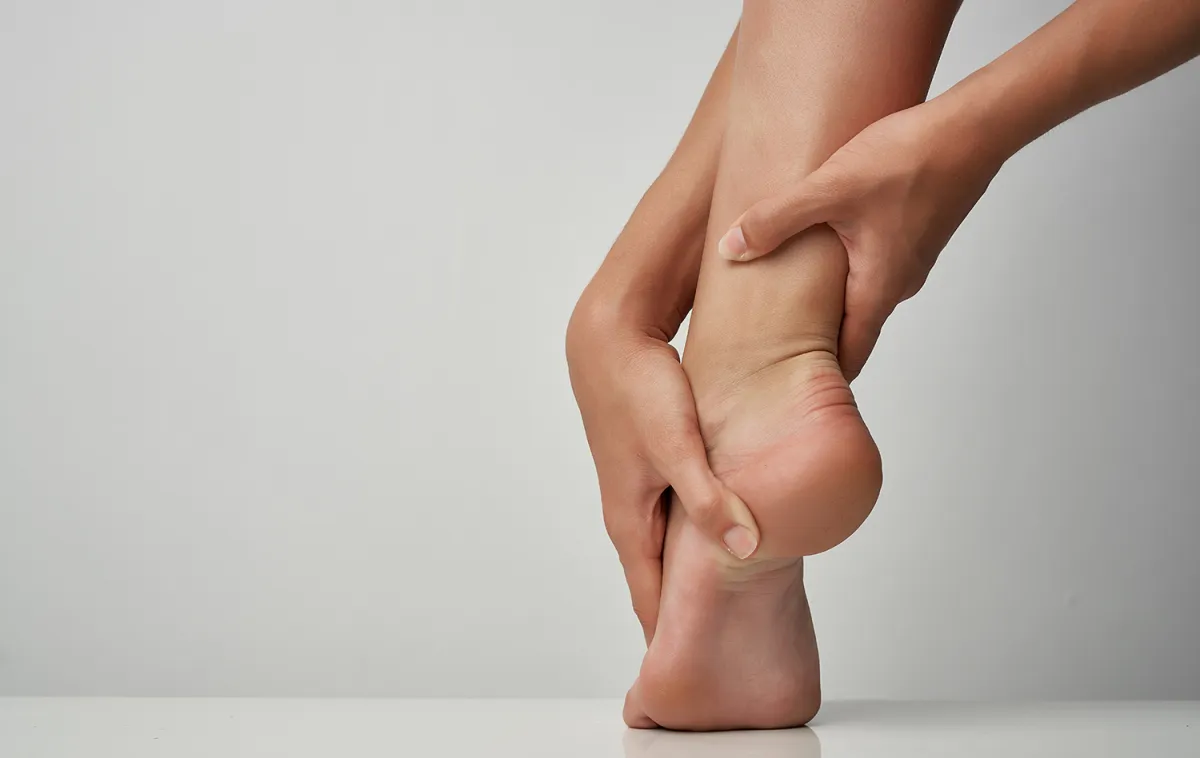
Why Your Foot Arch Starts Hurting After Switching to Cleats for Adult Rec League Soccer in Utah County
Why Your Foot Arch Starts Hurting After Switching to Cleats for Adult Rec League Soccer in Utah County
If your foot arch started hurting after joining an adult rec league soccer team, changing from running shoes to cleats may be a bigger factor than you realize. This is a common real-life problem for active adults in Pleasant Grove and across Utah County, especially when weekend athletes return to the field after years away from competitive sports.
Many people assume arch pain means they simply need better shoes or more stretching. Sometimes that is part of the picture, but arch pain can also involve the way your foot, ankle, knee, and even hip are handling force during cutting, sprinting, and quick direction changes. Chiropractic care can help identify movement problems that may be adding stress to the foot and keeping it irritated.
Why cleats can trigger arch pain when regular shoes do not
Cleats change the way your foot interacts with the ground. Compared with everyday athletic shoes, cleats are usually stiffer, narrower, and less forgiving. They grip the field differently, which is helpful for traction but can increase stress through the small joints of the foot.
That matters even more if you are playing on grass, turf, or uneven community fields around Utah County. If your body is not distributing force well, the arch can start doing extra work during push-off, balance, and rapid changes in direction.
You may notice pain:
- During the first few minutes of play
- After hard sprints or side-to-side movement
- The morning after a game
- When walking barefoot after activity
- Along the inside of the arch or near the heel
Sometimes the problem started quietly before soccer season, and the switch to cleats simply exposed it.
What may actually be causing the pain
Arch pain is not always just a foot problem. The foot is part of a chain, and stress can build when one area is not moving or stabilizing the way it should. In adult rec athletes, several patterns commonly show up.
Restricted foot and ankle motion
If the joints in the foot or ankle are not moving well, the arch may compensate. A stiff ankle can change how you load the foot during running and cutting. Instead of absorbing and transferring force smoothly, your arch tissues may get overloaded.
Poor control after time away from sports
A lot of adults in Pleasant Grove jump back into league play after spending years focused on work, parenting, or less demanding workouts. Your cardiovascular fitness might come back faster than your foot and ankle control. When that happens, the body can tolerate jogging but struggle with soccer-specific movement patterns.
Compensation from the knee or hip
If your knee tracks inward or your hip is not controlling rotation well, that force often travels down to the foot. The arch then works harder to stabilize every step, especially during quick pivots and acceleration.
Changes in load and surface
Going from treadmill runs or casual gym workouts to repeated field drills is a major change in loading. Turf and grass can also challenge the foot differently than flat indoor surfaces.
Signs your arch pain may be more than simple soreness
Some post-game soreness can be normal when you start a new sport. But there are signs that the issue deserves more attention:
- The pain keeps returning every game or practice
- You start changing your stride to avoid discomfort
- Your ankle feels stiff or unstable along with the arch pain
- You feel discomfort first thing in the morning
- The pain begins affecting walking, work, or exercise outside soccer
When pain changes the way you move, other areas can start to get involved too. It is not unusual for untreated foot mechanics to contribute to calf tightness, knee irritation, or even hip discomfort over time.
How chiropractic care may help
At Dr. Bruce Lowry’s office, the goal is not just to chase the symptom. A good evaluation looks at how the foot is functioning as part of your overall movement pattern. That may include the foot and ankle joints, gait mechanics, balance, and how the knee and hip are contributing during activity.
Depending on your specific findings, chiropractic care may help by:
- Improving joint mobility in the foot and ankle
- Addressing biomechanical stress patterns through the lower kinetic chain
- Reducing compensation that may be increasing strain on the arch
- Helping you move more comfortably during sport and daily activity
- Guiding you on whether activity modification is needed while the area calms down
For active adults, this kind of approach can be especially helpful because it focuses on why the area is being overloaded, not just where it hurts.
What to do now if soccer cleats are aggravating your arch
If your pain started after switching to cleats, do not ignore it and assume it will disappear on its own. Early attention often helps prevent a small mechanical problem from turning into a more stubborn one.
A few practical steps can help:
- Pay attention to whether the pain is worse during cutting, sprinting, or afterward
- Avoid playing through sharp or worsening pain
- Notice whether one foot feels different from the other in balance or push-off
- Consider whether the symptoms began soon after a new pair of cleats or a sudden increase in play time
- Get evaluated if the pain keeps returning or starts affecting normal walking
The earlier you identify the movement issue, the easier it may be to keep your season on track.
Why local athletes in Pleasant Grove should not brush this off
Adult rec sports are a great way to stay active, reconnect with competition, and enjoy community life in Pleasant Grove and nearby Utah County cities. But weekend athletes often underestimate how demanding soccer is on the feet. Cleats, turf, sudden acceleration, and quick cuts can expose weak links quickly.
If you are trying to stay active for your health, your family, or your own enjoyment, it makes sense to address arch pain before it starts changing how you move.
FAQ
Is arch pain from cleats the same as plantar fasciitis?
Not always. Heel and arch pain can have several causes. Plantar fascia irritation is one possibility, but joint restriction, altered mechanics, and overload patterns can also contribute. That is why a proper evaluation matters.
Should I stop playing soccer completely?
That depends on the severity of your symptoms. Mild irritation may improve with activity modification and treatment, while more significant pain may require a break. If you are limping or changing your movement to get through games, it is smart to get checked.
Can chiropractic care help even if the pain is in my foot?
Yes. Chiropractic care can be helpful when foot pain is related to joint restriction, movement imbalance, or compensation patterns involving the ankle, knee, or hip.
When should I schedule an appointment?
If your arch pain keeps returning, is getting worse, or is affecting your walking or athletic performance, it is a good time to schedule an evaluation.
If your foot arch has started hurting after switching to cleats for adult rec league soccer, do not wait for it to become a bigger problem. Dr. Bruce Lowry provides chiropractic care for patients in Pleasant Grove and surrounding Utah County communities who want to stay active and move with confidence. Contact the office today to schedule an appointment.

Looking for Relief From Back or Neck Pain?
Schedule an appointment with Dr. Bruce Lowry, your trusted chiropractor in Pleasant Grove, UT.
What Our Patients Say
See why patients throughout Pleasant Grove and Utah County trust Dr. Bruce Lowry for personalized chiropractic care and long-term pain relief.

The chiropractor took the time to listen to my concerns and thoroughly explain the treatment process.I recently had the pleasure of visiting a chiropractor for the first time and I couldn't be happier with the experience. From the moment I walked in, the staff made me feel welcome and at ease. The chiropractor took the time to listen to my concerns and thoroughly explain the treatment process.

Brandon Pymm
Dr. Lowry is an excellent chiropractor. I've been a patient of his for a few years now and feel so much better with the adjustments he's done on my back and spine. I recommend him to all my friends in the area!
Jane Sau
I really enjoyed my visit with Dr. Lowry. It was my first time being adjusted and I was a bit nervous. He talked me through everything he was doing and helped me understand there was nothing to be nervous about. I really appreciated it because he made the whole experience really smooth and enjoyable.