Chiropractic Tips, Pain Relief & Wellness in Pleasant Grove
Explore chiropractic tips, pain relief strategies, injury recovery information, and wellness advice from Dr. Bruce Lowry. Serving Pleasant Grove and surrounding Utah County communities, our blog covers topics related to back pain, neck pain, headaches, posture, mobility, and everyday health.
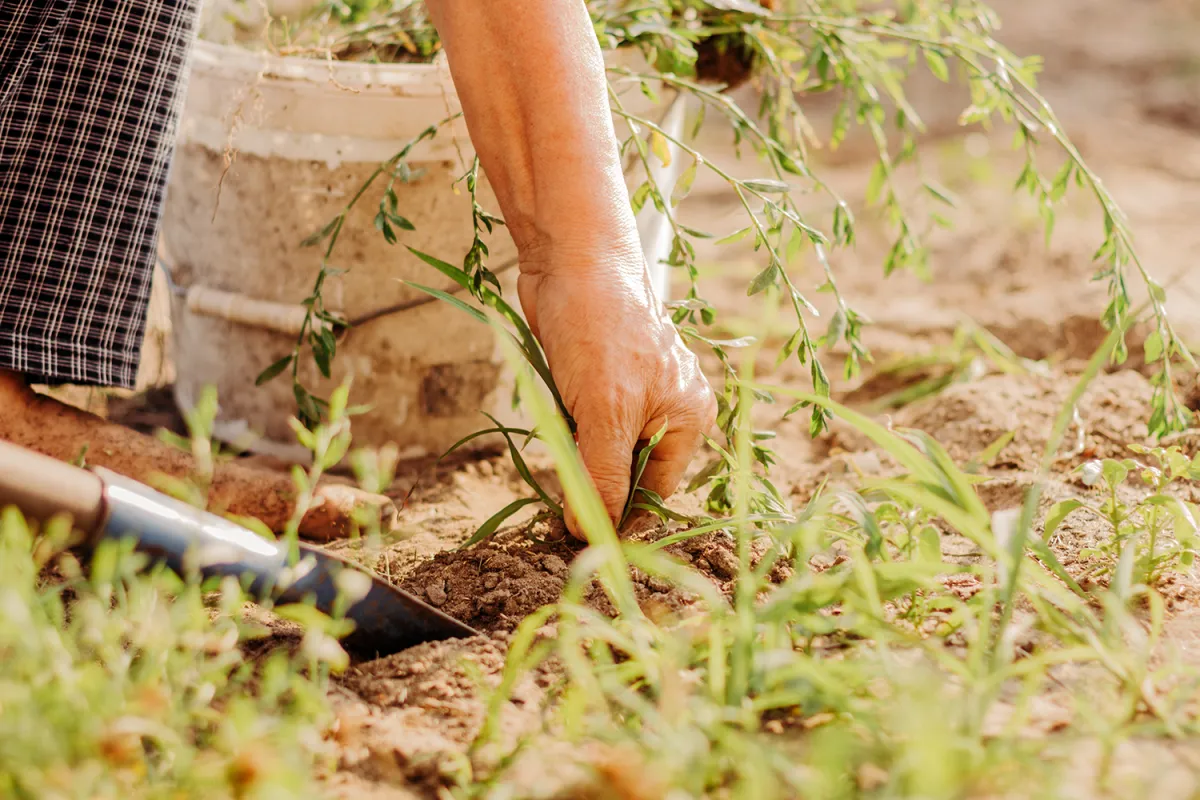
Why Your Elbow Feels Sharp and Stiff After Pulling Weeds and Squeezing Hand Pruners All Weekend
Why Your Elbow Feels Sharp and Stiff After Pulling Weeds and Squeezing Hand Pruners All Weekend
After a long weekend of yard cleanup, many people expect to feel tired. What surprises them is a sharp, stubborn elbow pain that shows up later that evening or the next morning. It may hurt to grip a coffee mug, turn a doorknob, lift a laundry basket, or even shake someone’s hand. If you spent hours pulling weeds, trimming shrubs, or repeatedly squeezing hand pruners, your elbow pain may not be random at all.
At Dr. Bruce Lowry’s office in Pleasant Grove, we often see people from Utah County who develop joint irritation and soft tissue strain after repetitive outdoor work. When the elbow starts feeling stiff, weak, or painfully reactive after yardwork, it is often a sign that the tissues around the joint have been overloaded.
Why yardwork can trigger elbow pain so quickly
Yardwork looks simple, but it puts a surprising amount of stress on the elbow. Pulling stubborn weeds, gripping pruning shears, hauling yard bags, and using small hand tools all require repeated force through the forearm and elbow. Unlike a gym workout, these motions are often done for hours without much rest, and usually at awkward angles.
The elbow acts like a transfer point between your shoulder, forearm, wrist, and hand. If your wrist is constantly bending, your grip is working hard, and your shoulder mechanics are poor, the tissues around the elbow can become irritated. That irritation may build gradually until suddenly the area feels sharp, inflamed, or weak.
Common symptoms people notice after pruning or weeding
Not everyone feels the exact same symptoms. Some people describe a sharp pain on the outside of the elbow. Others feel soreness on the inside, stiffness when straightening the arm, or weakness when carrying objects. You may notice:
Pain when gripping tools or opening jars
Discomfort when lifting with your palm facing down
Stiffness first thing in the morning
Tenderness around the bony part of the elbow
A tired, burning feeling in the forearm
Pain that spreads from the elbow toward the wrist
Sometimes people assume the problem is only in the forearm muscles, but the elbow joint itself, nearby soft tissues, and movement patterns through the shoulder and wrist can all contribute.
Why this problem can linger if you ignore it
Many people try to push through elbow pain because it does not seem serious. The problem is that repetitive strain injuries often become more sensitive when the irritated tissues never get a chance to calm down. If you return to gardening, computer work, lifting, or home chores with the same movement stress, the area may stay inflamed and painful.
Even daily tasks can keep the problem going. Using a mouse, carrying groceries, folding laundry, and lifting kids can all continue to stress the same irritated structures. What started as "just sore from yardwork" can turn into weeks or months of aggravation.
What a chiropractor looks for with this kind of elbow pain
When you come in, the goal is not just to point at the elbow and say it is overused. A thorough evaluation looks at how the entire arm is functioning. That includes the elbow joint, wrist mechanics, forearm muscle tension, shoulder movement, and even how the neck may be affecting the arm.
With repetitive yardwork injuries, several issues may be present at the same time. The elbow joint may be moving poorly. The muscles that control gripping and wrist motion may be tight and irritated. The shoulder may not be sharing load well, forcing the elbow and forearm to do too much. Identifying the true source of stress helps guide more effective care.
How chiropractic care may help
Chiropractic care for this kind of problem is focused, practical, and based on your exam findings. Depending on what is contributing to your symptoms, care may include gentle joint treatment to improve motion, soft tissue work to reduce muscle tension, and recommendations to help calm irritation while the area heals.
The goal is to help the elbow move better, reduce strain on the irritated tissues, and improve how the arm handles daily tasks. If your pain has started affecting sleep, work, exercise, or simple chores at home, getting the area evaluated early can help prevent a minor problem from becoming a long-term one.
What you can do at home right away
If your elbow started hurting after a weekend of landscaping or garden cleanup, a few simple steps may help reduce ongoing irritation:
Take a short break from repetitive gripping and squeezing
Switch hands when possible during lighter tasks
Avoid powering through sharp pain
Use larger-handled tools if available to reduce grip strain
Pay attention to shoulder and wrist position instead of working only from the hand and forearm
Get evaluated if the pain is not settling down or if grip strength feels noticeably weaker
The sooner you change the pattern that irritated the elbow, the better your chances of avoiding a lingering issue.
When it is time to get checked
It is a good idea to schedule an evaluation if your elbow pain lasts more than a few days, keeps coming back whenever you use your hand, or starts interfering with work and home life. Pain that feels sharp, catches with movement, or causes weakness is worth taking seriously.
In Pleasant Grove and throughout Utah County, outdoor projects are a normal part of life, especially in the warmer months. But just because yardwork is common does not mean elbow pain should be ignored. If your symptoms began after a very specific weekend of pruning, trimming, pulling, or hauling, that detail matters and can help point toward the cause.
FAQ
Is this the same as tennis elbow?
Sometimes it can involve the same general area, but not every case of elbow pain after yardwork is exactly the same. The specific tissues involved and the reason they became irritated can vary from person to person.
Should I stop all activity if my elbow hurts?
Not always, but you should avoid the motions that clearly aggravate it, especially repeated gripping, twisting, and squeezing. Modifying activity early can help prevent the irritation from getting worse.
Can chiropractic care help if the pain goes down into my forearm?
Yes, in many cases the forearm and elbow are closely connected. An exam can help determine whether the problem is coming from local tissue strain, joint restriction, or another movement issue affecting the arm.
How do I know if it is more than simple soreness?
If the pain is sharp, limits gripping, causes weakness, or is still present several days after the yardwork, it is more than routine post-activity soreness and should be evaluated.
Schedule an appointment in Pleasant Grove
If your elbow feels sharp, stiff, or weak after a weekend of weeding, pruning, or yard cleanup, do not wait for it to turn into a bigger problem. Dr. Bruce Lowry provides chiropractic care in Pleasant Grove for people dealing with real-life aches and injuries that interfere with work, home projects, and everyday comfort. Contact the office today to schedule an appointment and find out what is driving your elbow pain.

Looking for Relief From Back or Neck Pain?
Schedule an appointment with Dr. Bruce Lowry, your trusted chiropractor in Pleasant Grove, UT.
What Our Patients Say
See why patients throughout Pleasant Grove and Utah County trust Dr. Bruce Lowry for personalized chiropractic care and long-term pain relief.

The chiropractor took the time to listen to my concerns and thoroughly explain the treatment process.I recently had the pleasure of visiting a chiropractor for the first time and I couldn't be happier with the experience. From the moment I walked in, the staff made me feel welcome and at ease. The chiropractor took the time to listen to my concerns and thoroughly explain the treatment process.

Brandon Pymm
Dr. Lowry is an excellent chiropractor. I've been a patient of his for a few years now and feel so much better with the adjustments he's done on my back and spine. I recommend him to all my friends in the area!
Jane Sau
I really enjoyed my visit with Dr. Lowry. It was my first time being adjusted and I was a bit nervous. He talked me through everything he was doing and helped me understand there was nothing to be nervous about. I really appreciated it because he made the whole experience really smooth and enjoyable.