
Chiropractic Tips, Pain Relief & Wellness in Pleasant Grove
Explore chiropractic tips, pain relief strategies, injury recovery information, and wellness advice from Dr. Bruce Lowry. Serving Pleasant Grove and surrounding Utah County communities, our blog covers topics related to back pain, neck pain, headaches, posture, mobility, and everyday health.
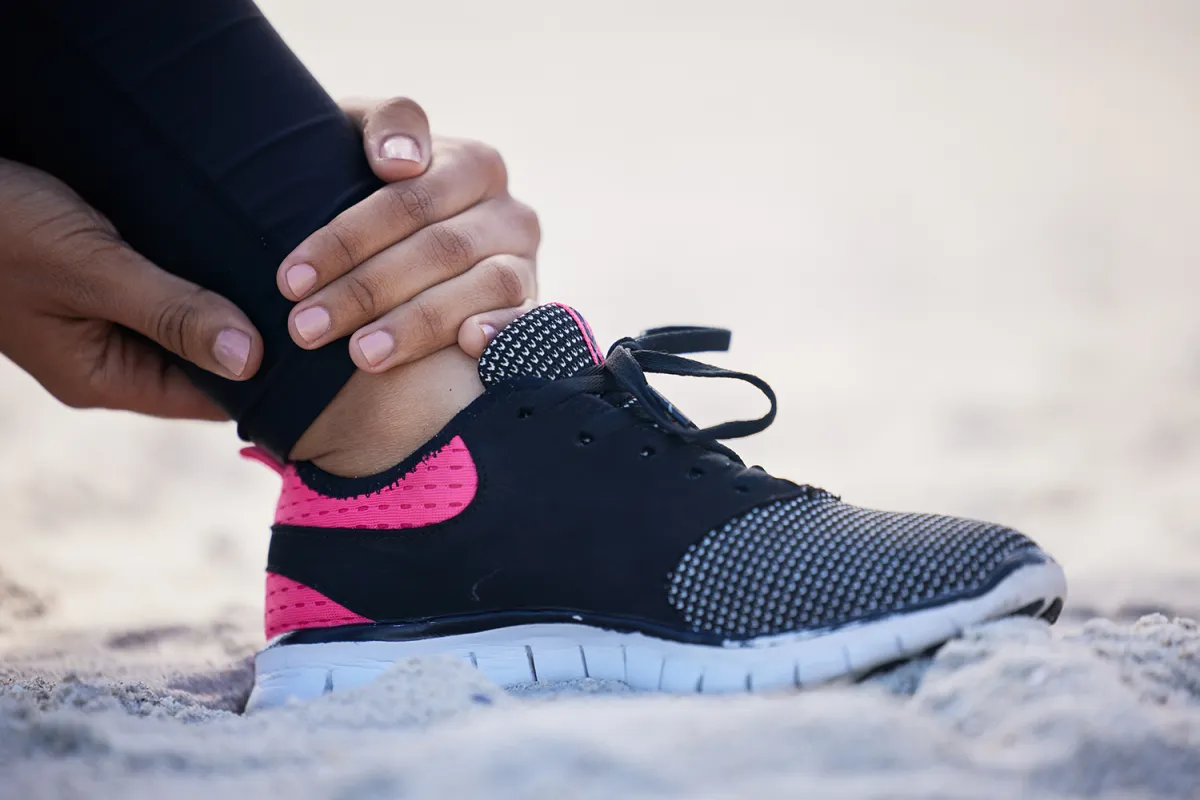
Why Your Ankle Still Feels Unstable Months After a Pickleball Roll in Pleasant Grove
Why Your Ankle Still Feels Unstable Months After a Pickleball Roll in Pleasant Grove
Pickleball has become a favorite way for many people in Pleasant Grove and across Utah County to stay active, social, and competitive. But it also comes with a common problem that many players brush off at first: rolling an ankle during a quick side step, lunge, or reach for a short shot.
At the time, it may seem like “just a sprain.” You rest a little, maybe wear a brace, and get back on the court. Then weeks or even months later, the ankle still does not feel right. It feels shaky when you pivot. You hesitate on lateral movements. Sometimes the discomfort is not severe, but the joint just feels unreliable.
If that sounds familiar, there may be more going on than simple soreness.
Why an old pickleball ankle injury can keep bothering you
An ankle sprain happens when the ligaments around the joint are overstretched or irritated, often after the foot rolls inward. In pickleball, this can happen during sudden stops, fast direction changes, or reaching for a wide ball near the kitchen line.
Even after the swelling and bruising improve, some players are left with lingering issues such as:
- A feeling that the ankle might give out
- Pain when pushing off or cutting sideways
- Stiffness first thing in the morning
- Tenderness on the outside of the ankle
- Reduced confidence during fast play
- Compensation into the knee, hip, or low back
This can happen because the body does not always fully recover normal joint motion, balance, and coordination after a sprain. The area may be less swollen, but still not functioning well.
Instability is not always just weakness
Many people assume ongoing ankle instability only means the muscles are weak. Strength matters, but that is not the whole picture.
After an ankle roll, the joint can develop altered mechanics. Small restrictions in ankle and foot movement can change how you load the leg when walking, climbing stairs, or returning to sports. The nervous system can also become less efficient at sensing joint position, which affects balance and timing.
That is one reason some pickleball players say things like:
- “It does not hurt that much, but it feels off.”
- “I do not trust that side when I move quickly.”
- “I keep rolling it again, even on small movements.”
Those are meaningful signs that the ankle may need more attention than simple rest.
How ankle problems can affect the rest of your movement
Your ankle is part of a chain. When it is not moving well or not stabilizing properly, other areas often start taking on extra stress.
For pickleball players, that may show up as:
- Knee irritation during side-to-side play
- Hip tightness after matches
- Reduced push-off power
- A shorter stride when walking or jogging
- Low back tension from uneven movement patterns
This is especially common in active adults who want to keep playing through minor symptoms. You may adapt without realizing it, but over time those compensations can create new problems.
What a chiropractor looks for with lingering ankle instability
At Dr. Bruce Lowry’s office, an ankle complaint is not treated as an isolated issue without context. A proper evaluation looks at how the ankle, foot, knee, and hip are all working together.
That may include checking:
- Joint motion in the ankle and foot
- Areas of restriction that may have developed after the sprain
- Balance and weight shifting
- Walking mechanics
- Compensation patterns above the ankle
- Whether nearby joints are contributing to the problem
In some cases, the ankle is still locally irritated. In others, the bigger issue is that the joint never regained normal motion and coordination after the original injury.
How chiropractic care may help after a pickleball ankle sprain
Chiropractic care may help support recovery when an old ankle injury is still affecting how you move. Depending on your exam findings, care may focus on improving joint mechanics, reducing stress in related areas, and helping your body move more confidently again.
This may be helpful for patients dealing with:
- Lingering stiffness after an ankle roll
- Repeated minor re-sprains
- Uneven walking or pivoting
- Pain that shows up only during activity
- Movement compensation into the knee or hip
The goal is not just to calm symptoms, but to help restore more normal function so daily activities and recreation feel easier.
When you should stop waiting for it to “just heal”
It is worth getting your ankle evaluated if:
- You still feel unstable several weeks after the injury
- You avoid certain movements because you do not trust the ankle
- You keep wearing a brace but still feel limited
- Your knee, hip, or back started bothering you afterward
- You have returned to pickleball, but your movement feels different
Even if the injury happened months ago, it may still be possible to improve how the joint moves and functions.
Simple steps you can take right now
If your ankle still feels unreliable, a few practical steps can help while you decide on care:
- Pay attention to whether the problem shows up during side steps, pivots, or uneven ground
- Notice if you are shifting weight away from that side
- Do not ignore new knee or hip discomfort that started after the ankle injury
- Be cautious about returning to full-speed play if the ankle still feels unstable
- Get evaluated if symptoms are lingering instead of gradually improving
The longer compensation patterns continue, the more likely they are to affect other parts of the body.
FAQ
Is it normal for an ankle sprain to still feel unstable after a few months?
It is common, but it is not something you should ignore. Ongoing instability can mean the ankle has not regained proper motion, control, or coordination.
Can an old ankle sprain affect my knee or hip?
Yes. If your ankle is not moving or stabilizing well, your body may compensate higher up the chain, which can place more stress on the knee, hip, or even the low back.
Do I need to stop playing pickleball completely?
That depends on how unstable the ankle feels and what is found during your evaluation. Some people can continue with modifications, while others need a short break to prevent repeated irritation.
Can chiropractic care help even if the injury did not happen recently?
In many cases, yes. If the ankle still has motion restrictions or the injury changed how you move, care may still be helpful even long after the original sprain.
Get your ankle checked before it leads to bigger problems
If your ankle still feels shaky, stiff, or unreliable after a pickleball injury, do not assume it has healed just because the swelling is gone. An evaluation can help identify whether the joint is still restricted, compensating, or contributing to other aches and pains.
If you are in Pleasant Grove, Utah County, or a nearby area, schedule an appointment with Dr. Bruce Lowry to find out what is behind your lingering ankle instability and what can be done to help you move with more confidence again.

Looking for Relief From Back or Neck Pain?
Schedule an appointment with Dr. Bruce Lowry, your trusted chiropractor in Pleasant Grove, UT.
What Our Patients Say
See why patients throughout Pleasant Grove and Utah County trust Dr. Bruce Lowry for personalized chiropractic care and long-term pain relief.

The chiropractor took the time to listen to my concerns and thoroughly explain the treatment process.I recently had the pleasure of visiting a chiropractor for the first time and I couldn't be happier with the experience. From the moment I walked in, the staff made me feel welcome and at ease. The chiropractor took the time to listen to my concerns and thoroughly explain the treatment process.

Brandon Pymm
Dr. Lowry is an excellent chiropractor. I've been a patient of his for a few years now and feel so much better with the adjustments he's done on my back and spine. I recommend him to all my friends in the area!
Jane Sau
I really enjoyed my visit with Dr. Lowry. It was my first time being adjusted and I was a bit nervous. He talked me through everything he was doing and helped me understand there was nothing to be nervous about. I really appreciated it because he made the whole experience really smooth and enjoyable.