
Chiropractic Tips, Pain Relief & Wellness in Pleasant Grove
Explore chiropractic tips, pain relief strategies, injury recovery information, and wellness advice from Dr. Bruce Lowry. Serving Pleasant Grove and surrounding Utah County communities, our blog covers topics related to back pain, neck pain, headaches, posture, mobility, and everyday health.
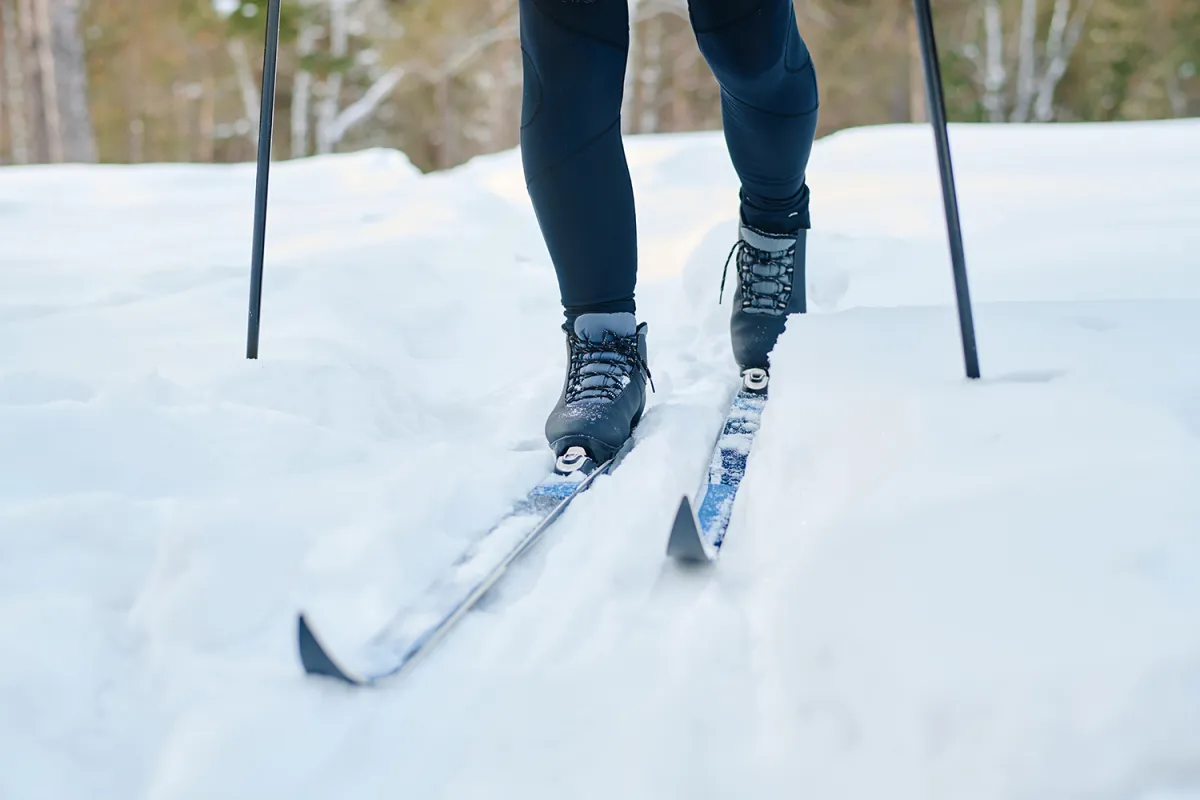
Why Your Ankle Feels Fine During Skiing but Swells and Stiffens After Taking Off Rental Boots
Why Your Ankle Feels Fine During Skiing but Swells and Stiffens After Taking Off Rental Boots
A lot of people in Pleasant Grove and across Utah County head up the canyon for a ski day, feel okay on the mountain, and then notice a different story later. Once the boots come off, the ankle starts swelling, the front or sides feel stiff, and walking to the car suddenly feels awkward.
If that sounds familiar, you are not imagining it. Ski boots are designed to limit motion and create support, but that same setup can also mask irritation while you are active. When you finally step out of the boots, the ankle has to move normally again, and that is when pain, stiffness, or swelling becomes obvious.
In many cases, this is not a major injury. But it is a sign that the ankle and surrounding joints may be irritated, restricted, or not handling load well. Getting it checked early can help prevent a small issue from turning into weeks of limping or compensation into the knee, hip, or low back.
Why it can feel okay while skiing
Ski boots create a very specific environment. They hold the ankle in a fixed position, reduce side-to-side movement, and compress the foot and lower leg. That support can temporarily hide a problem because the irritated area is not being asked to move through its normal range.
While you ski, several things may make the ankle seem better than it really is:
- The boot limits motion that would normally trigger pain
- Compression can reduce your awareness of minor swelling
- Cold weather may dull discomfort
- Adrenaline and activity can mask symptoms until later
Then the day ends, circulation changes, the ankle warms up, and you begin walking naturally again. That is when the stiffness, swelling, or pain becomes easier to notice.
Common reasons your ankle swells after rental boots come off
There is not just one explanation. Several mechanical issues can contribute, especially if the boots did not fit well or you have a history of old ankle sprains.
Some of the more common possibilities include:
- Joint irritation: The ankle or foot joints may become irritated from repetitive pressure and restricted movement.
- Mild sprain or overload: Even without a dramatic fall, the ligaments can be stressed during turns, uneven terrain, or getting on and off lifts.
- Poor boot fit: Rental boots that are too loose can allow subtle shifting, while boots that are too tight can create pressure and inflammation.
- Old ankle instability: If you have rolled that ankle before, it may not tolerate skiing forces as well as you think.
- Compensation from limited mobility: If the ankle already lacks motion, the forces of skiing can build up in the tissues around the joint.
For many adults, especially occasional skiers, the issue is less about one dramatic injury and more about a joint that was stressed, compressed, and then asked to transition back to normal walking.
Signs it may be more than normal soreness
Some post-ski soreness is expected, especially early in the season. But certain signs suggest the ankle deserves more attention.
Watch for symptoms like:
- Noticeable swelling on one side compared to the other
- Pain with walking down stairs
- Stiffness in the front of the ankle when you bend the knee forward
- Tenderness around the outside ankle bones
- A feeling that the ankle is weak or unreliable
- Limping the next morning
- Pain that shifts into the foot, calf, knee, or hip
If the ankle feels worse after the boots come off than it did during skiing, that is useful information. It often points to a movement or joint-loading problem rather than simple muscle fatigue.
Why old ankle injuries often show up on ski days
Many people in Utah County have a history of high school sports, trail running, basketball, or old rolled ankles that were never fully rehabbed. You may have returned to normal life years ago, but the ankle may still be a little stiff or unstable.
Skiing can expose that kind of leftover dysfunction quickly. The demands are different from everyday walking. Your lower body has to absorb force, maintain alignment, and respond to changing terrain, all while the ankle is held inside a rigid boot. If the joint is not moving or stabilizing well, the surrounding tissues can become irritated even if you never crash.
How chiropractic care may help
At Dr. Bruce Lowry's office, the goal is not just to look at where it hurts, but to understand why the ankle became irritated in the first place. A careful evaluation can help determine whether the problem is coming from the ankle joint itself, the foot mechanics, the calf and lower leg, or compensation patterns higher up the chain.
Depending on your needs, care may include:
- Assessing ankle and foot joint motion
- Checking for restrictions that affect walking and balance
- Looking at how the knee and hip are compensating
- Gentle chiropractic or manual treatment to improve joint mobility
- Soft tissue work for tight, irritated supporting muscles
- Guidance on activity modification and when to return to skiing
When the joint moves better and the surrounding mechanics improve, many patients notice less stiffness, better walking tolerance, and less lingering irritation after activity.
What you can do right away
If your ankle is swollen and stiff after skiing, a few simple steps may help in the short term:
- Reduce aggravating activity for a day or two
- Use ice if the area feels hot or newly inflamed
- Elevate the ankle when possible
- Avoid forcing deep ankle motion if it is sharp or pinching
- Pay attention to whether swelling is improving or getting worse
- Do not ignore limping, since that can create secondary problems
If symptoms are mild and improve quickly, that is reassuring. If they linger, return every time you ski, or start affecting daily walking, it is a good idea to have the ankle evaluated.
When to get it checked
You should consider an appointment if:
- The ankle is still swollen or stiff after a few days
- You have pain with normal walking
- The same thing happens after every ski trip
- You have a history of repeated ankle sprains
- You are noticing compensation into the knee, hip, or low back
For active adults in Pleasant Grove, ski season is too short to spend it waiting for an ankle issue to settle down on its own. Addressing the problem early can make it easier to get back to the activities you enjoy.
FAQ
Is it normal for my ankle to swell after skiing if I did not fall?
Not always. Mild soreness can be normal, but visible swelling usually means the joint or surrounding tissues were irritated. You do not need a dramatic fall for that to happen.
Can rental boots cause ankle pain even if they felt okay on the mountain?
Yes. A boot can feel manageable while you are skiing but still create pressure, restriction, or subtle instability that becomes obvious afterward.
Should I ski again if the ankle is still stiff?
That depends on the severity. If you are limping, visibly swollen, or having pain with normal walking, it is better to get it evaluated before going back out.
Can chiropractic treatment help an ankle problem?
In many cases, yes. If the issue involves joint restriction, movement dysfunction, or compensation patterns, chiropractic care and related manual treatment may help improve motion and reduce irritation.
Schedule an appointment in Pleasant Grove
If your ankle feels fine in the boots but swells and stiffens once they come off, do not brush it off as just part of skiing. It may be a sign that the joint is not moving or recovering the way it should. Dr. Bruce Lowry helps patients in Pleasant Grove, Utah County, and nearby areas identify the cause of these activity-related aches and get back to normal movement with confidence.
If you are dealing with ankle pain, stiffness, or swelling after a ski day, contact the office and schedule an appointment.

Looking for Relief From Back or Neck Pain?
Schedule an appointment with Dr. Bruce Lowry, your trusted chiropractor in Pleasant Grove, UT.
What Our Patients Say
See why patients throughout Pleasant Grove and Utah County trust Dr. Bruce Lowry for personalized chiropractic care and long-term pain relief.

The chiropractor took the time to listen to my concerns and thoroughly explain the treatment process.I recently had the pleasure of visiting a chiropractor for the first time and I couldn't be happier with the experience. From the moment I walked in, the staff made me feel welcome and at ease. The chiropractor took the time to listen to my concerns and thoroughly explain the treatment process.

Brandon Pymm
Dr. Lowry is an excellent chiropractor. I've been a patient of his for a few years now and feel so much better with the adjustments he's done on my back and spine. I recommend him to all my friends in the area!
Jane Sau
I really enjoyed my visit with Dr. Lowry. It was my first time being adjusted and I was a bit nervous. He talked me through everything he was doing and helped me understand there was nothing to be nervous about. I really appreciated it because he made the whole experience really smooth and enjoyable.